Clove’growth
Clove’s function
Clove’s cultural
Chinese medicine efficacy
Warming the Middle, Dispelling Cold, Relieving Pain:
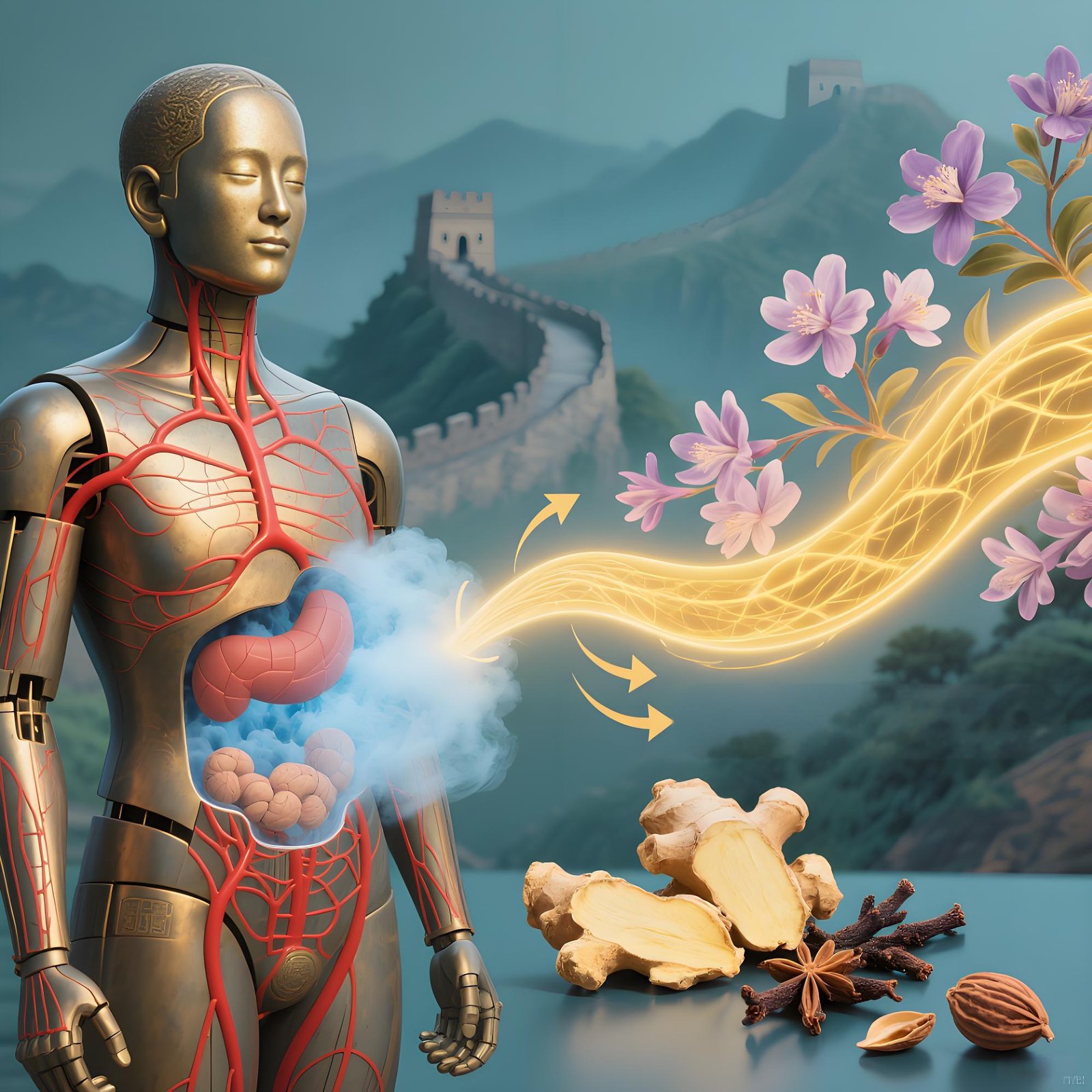
Clove, pungent and warm, enters spleen/stomach meridians, dispelling cold and warming yang. It eases cold-induced abdominal pain, poor appetite, vomiting. *Ben Cao Zheng* cites its roles in warming the middle jiao, aiding qi, relieving hiccups and diarrhea, often with ginger and amomum.
Descending Rebellious Qi, Stopping Vomiting and Hiccups:
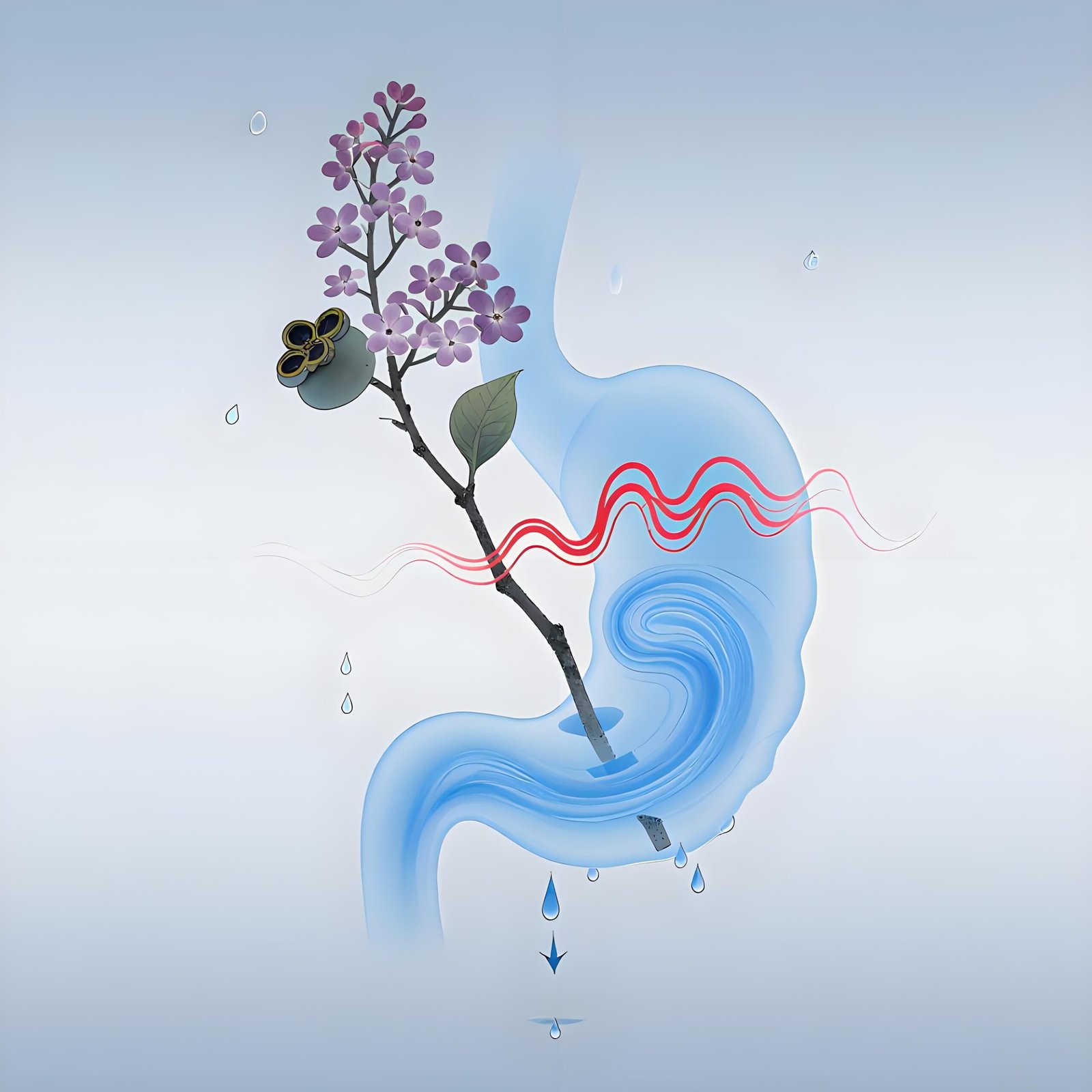
Clove regulates stomach qi, descends rebellious qi to stop vomiting, effective for cold-induced stomach qi rebellion, vomiting, belching, and intractable hiccups. The classic “Dingxiang Shidi Decoction” with persimmon calyx treats stomach-cold hiccups, still in use.
Warming the Kidneys, Assisting Yang, Treating Impotence:
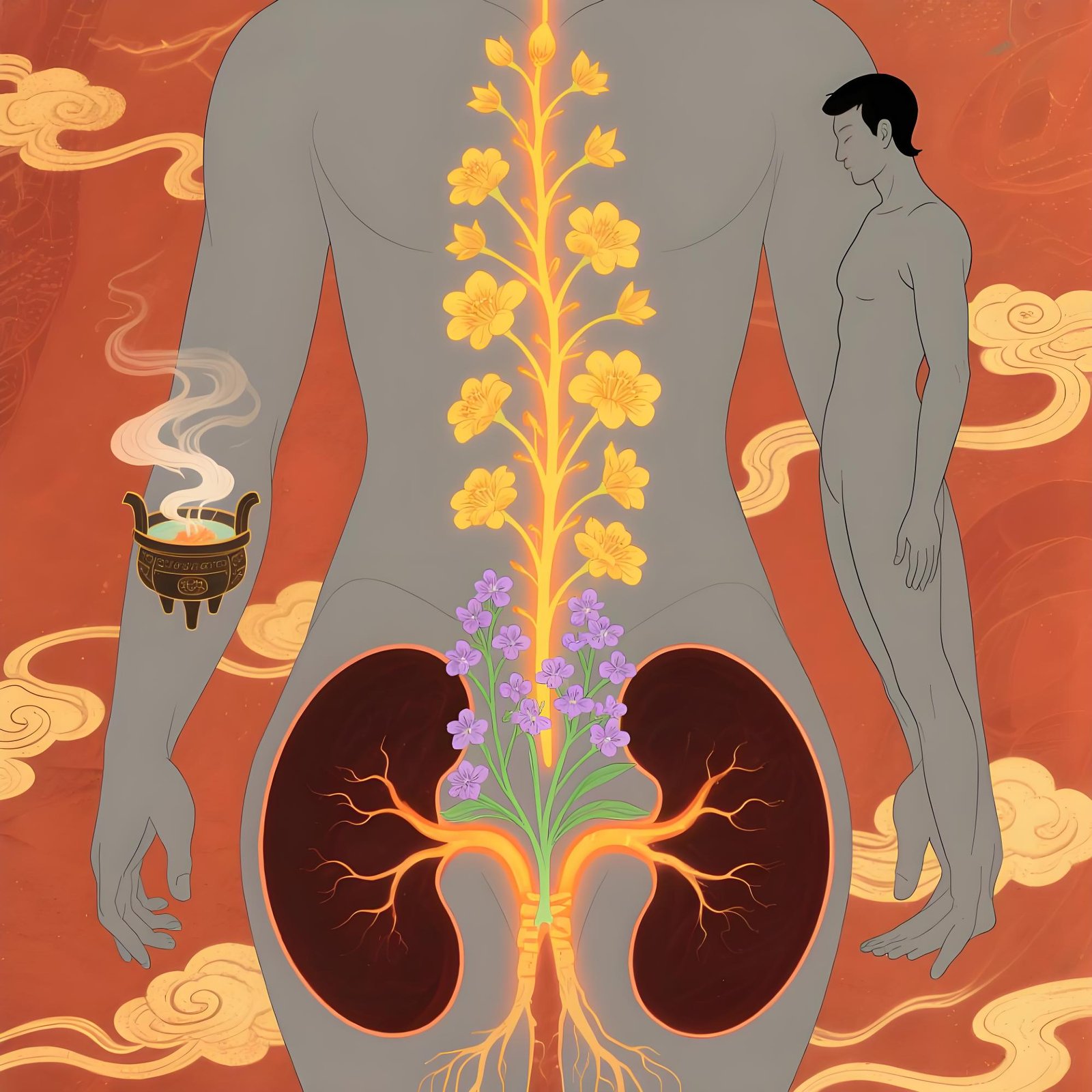
Clove enters the kidney meridian, warming and tonifying kidney yang, aiding symptoms of kidney yang deficiency. Its pungent warmth boosts life gate fire, often combined with monkshood and cinnamon, enhancing yang-warming in compounds.

Inhibiting Bacteria, Preserving, Eliminating Odor:
Clove, with clove oil, inhibits pathogens like Helicobacter pylori, aiding gastrointestinal infections. Its volatiles preserve food. Its aroma freshens breath, relieving halitosis, used in TCM toothpastes and mouthwashes.
Life scenes
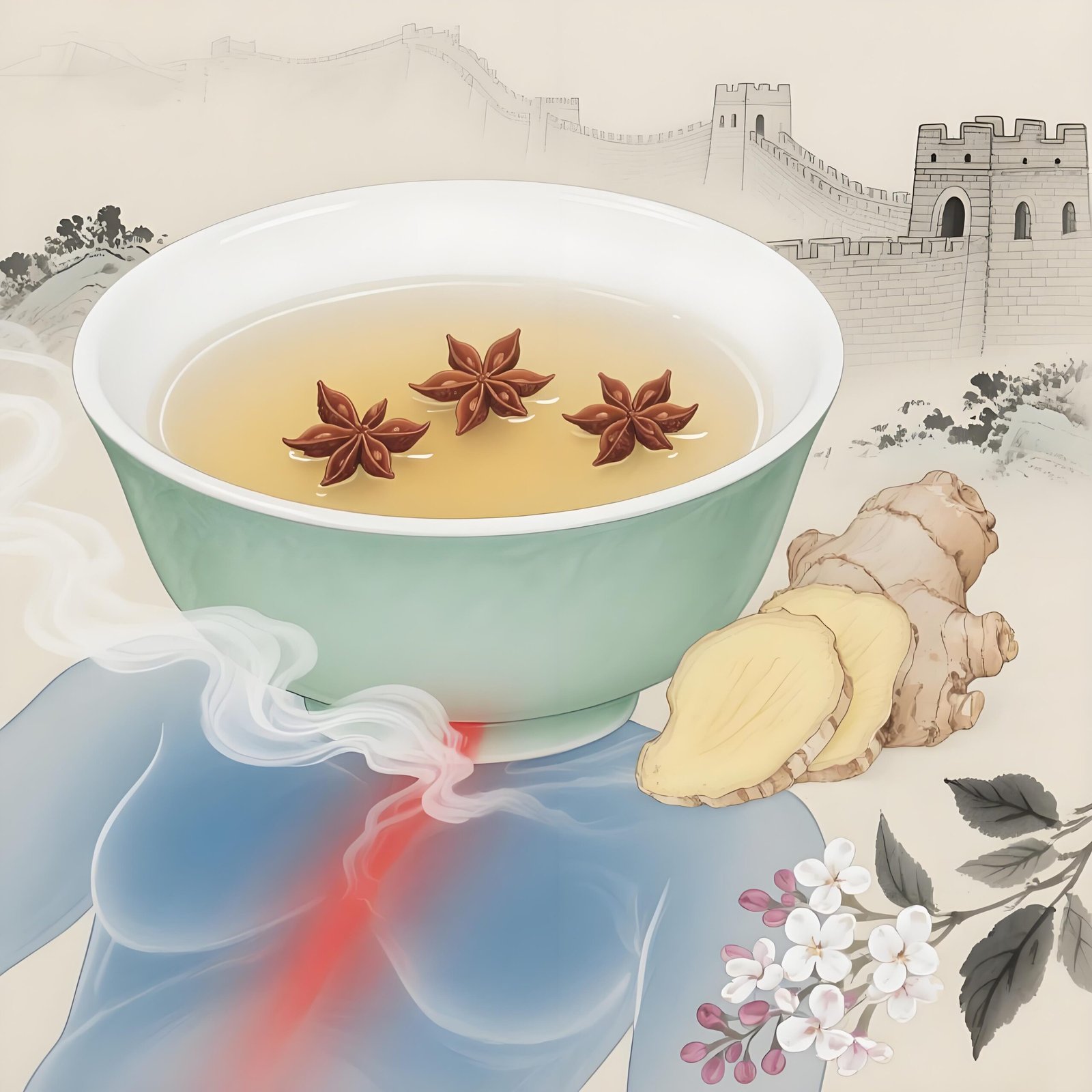
Abdominal Cold-Pain Drink
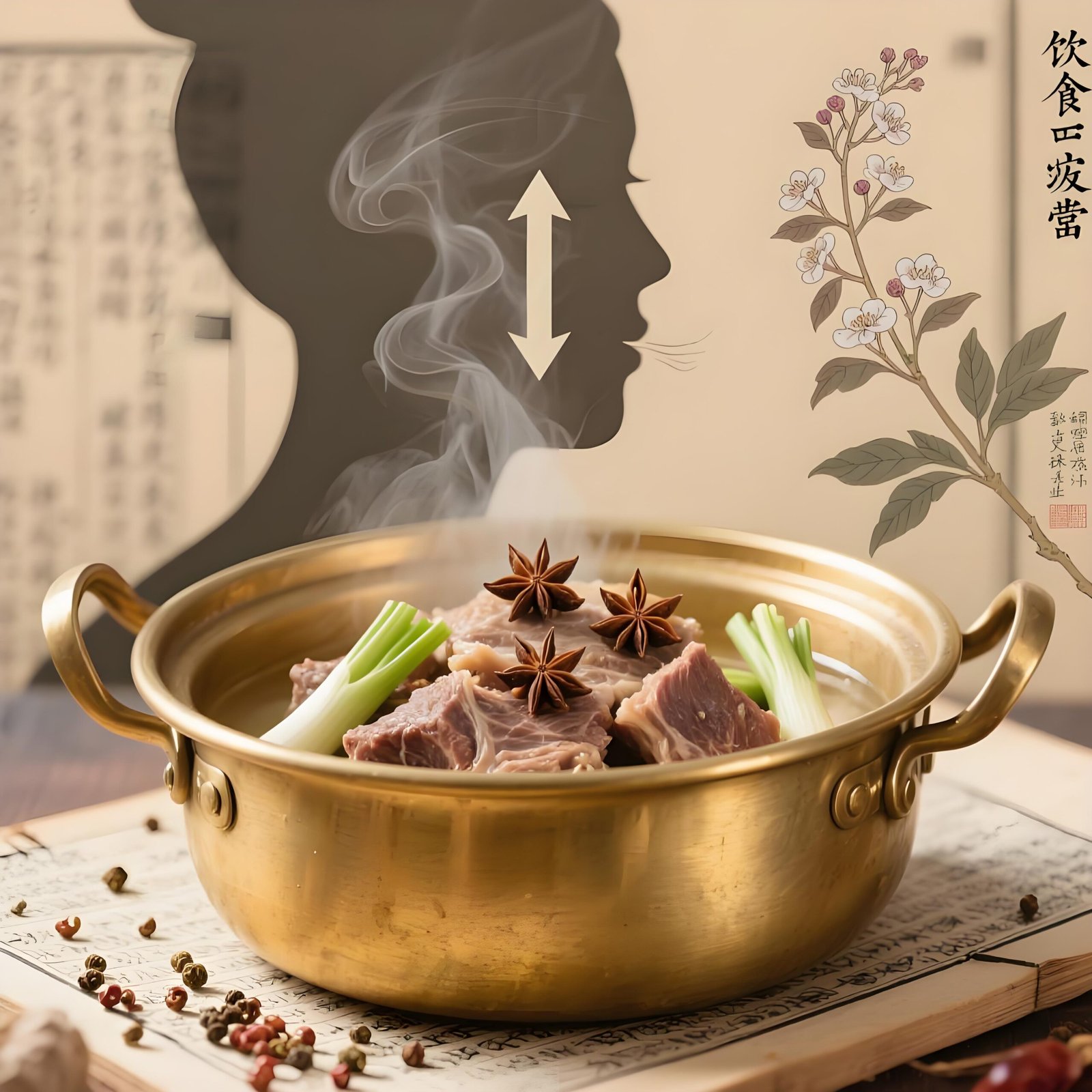
Cold Vomiting-Hiccup Meals
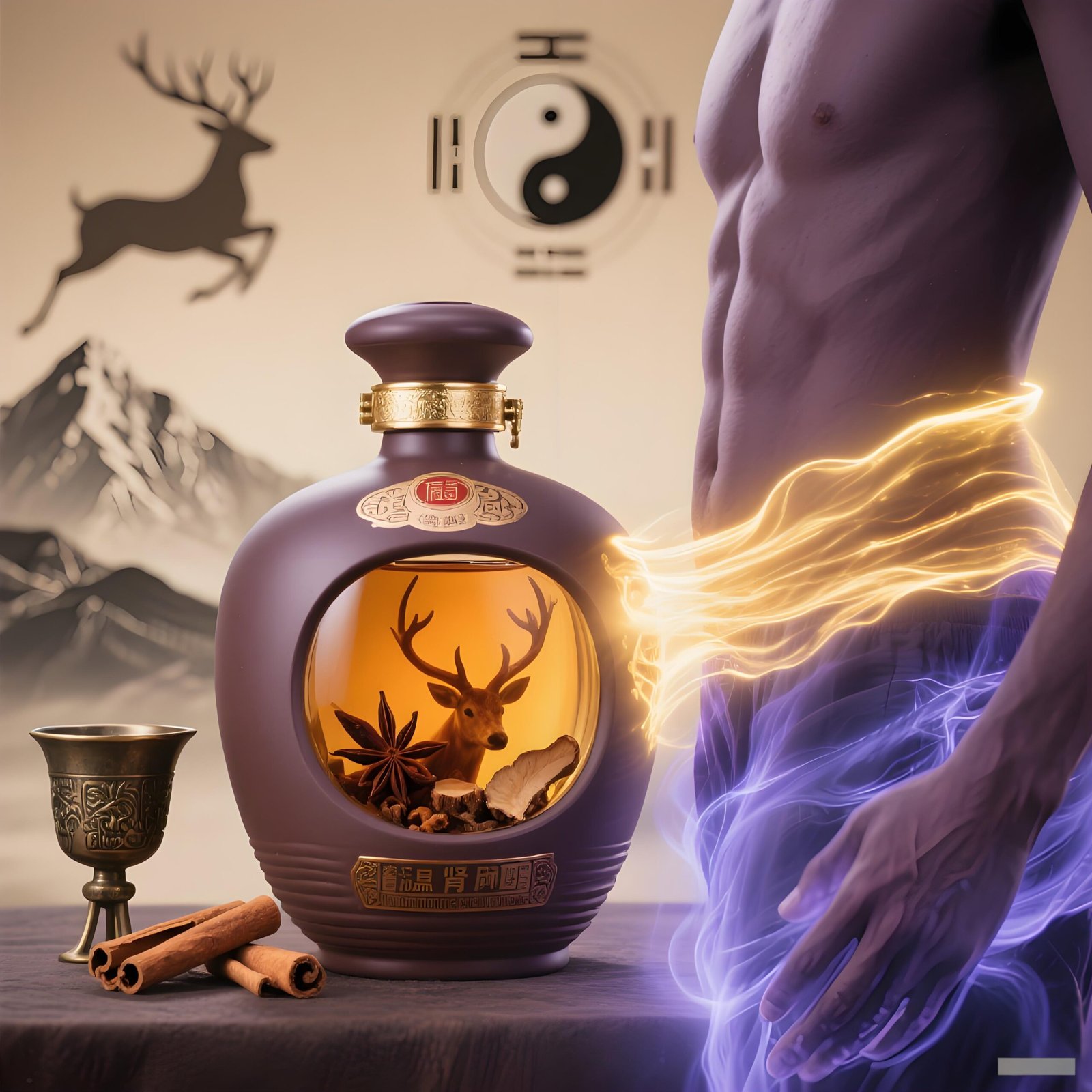
Kidney-Yang Wine
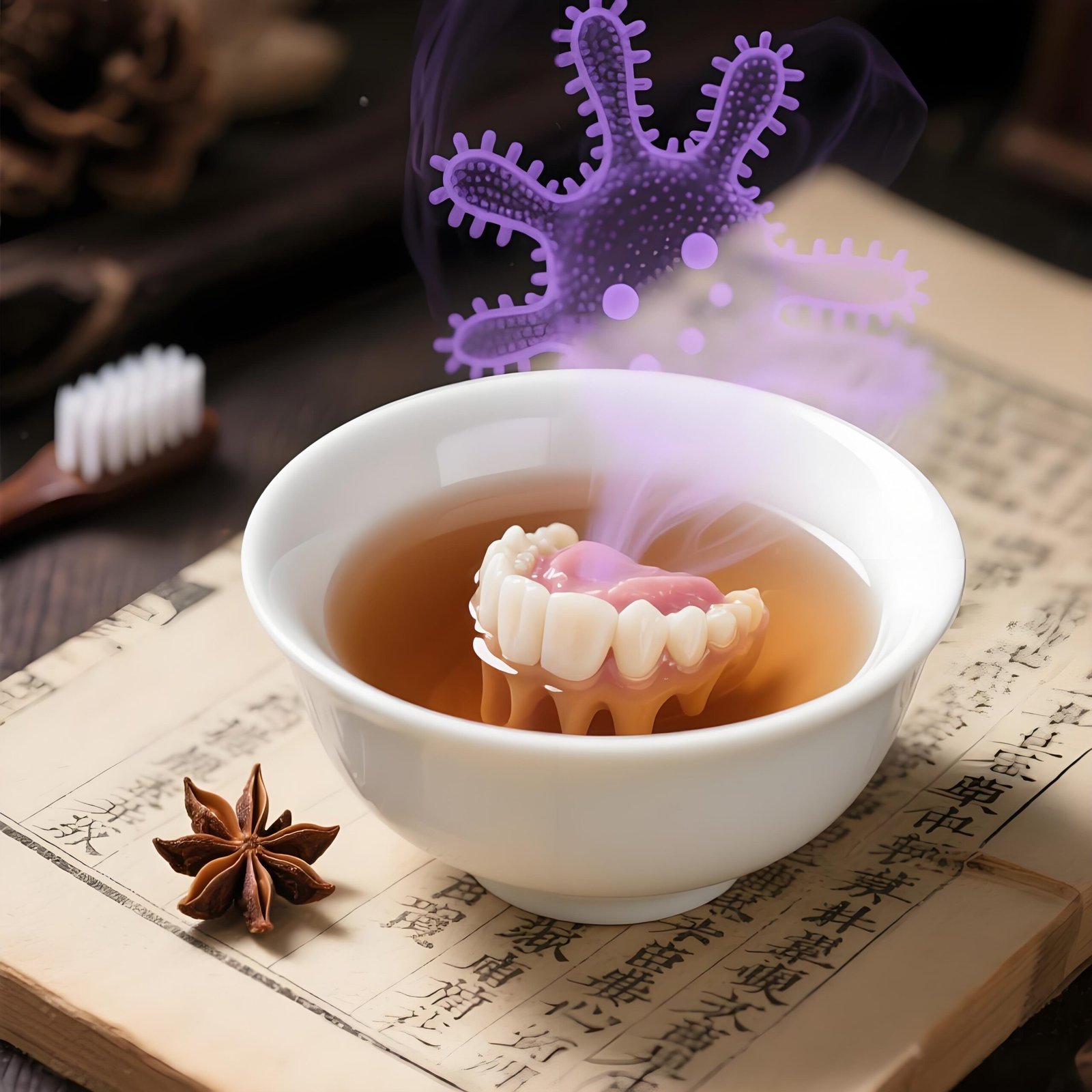
Improve oral environment
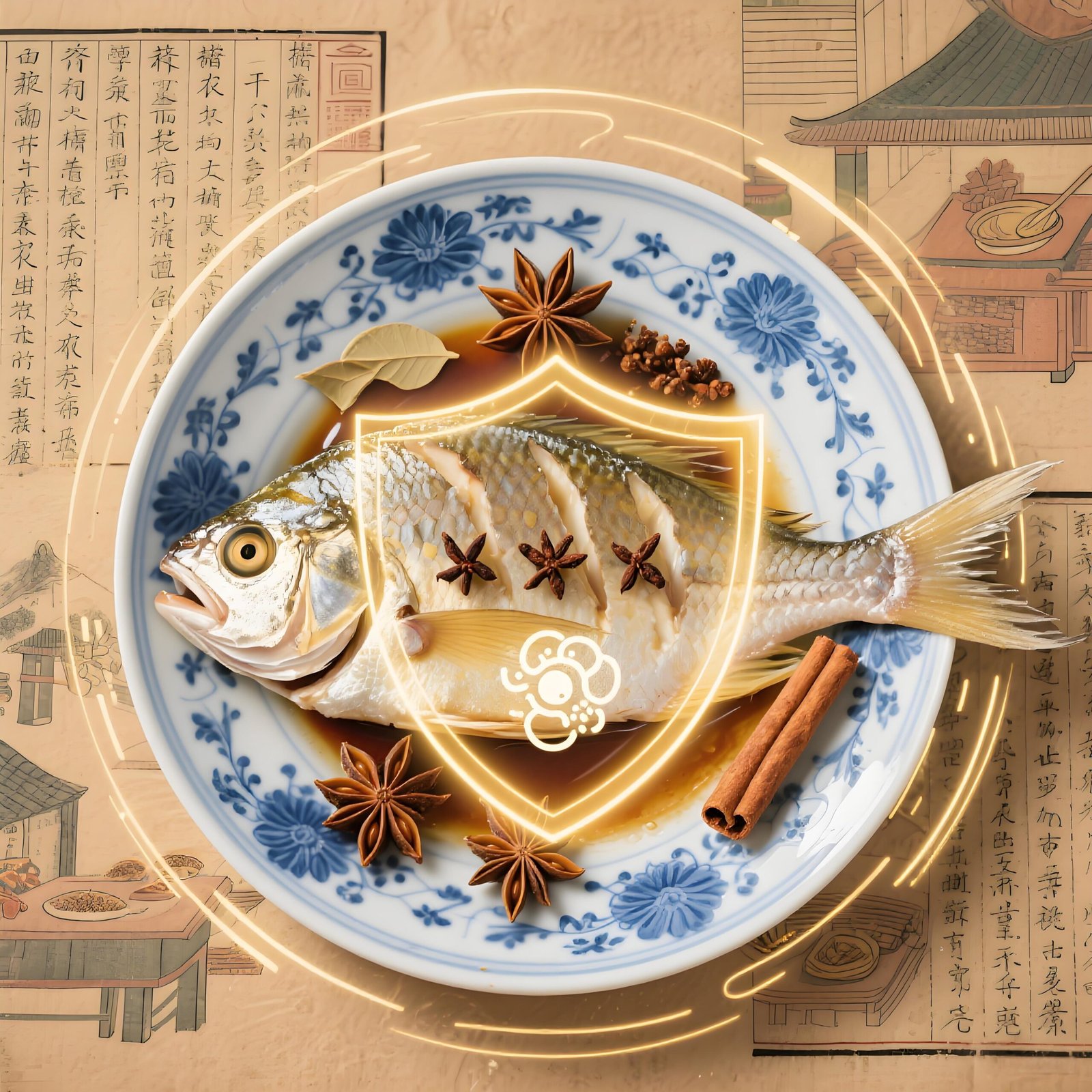
Antiseptic and flavoring
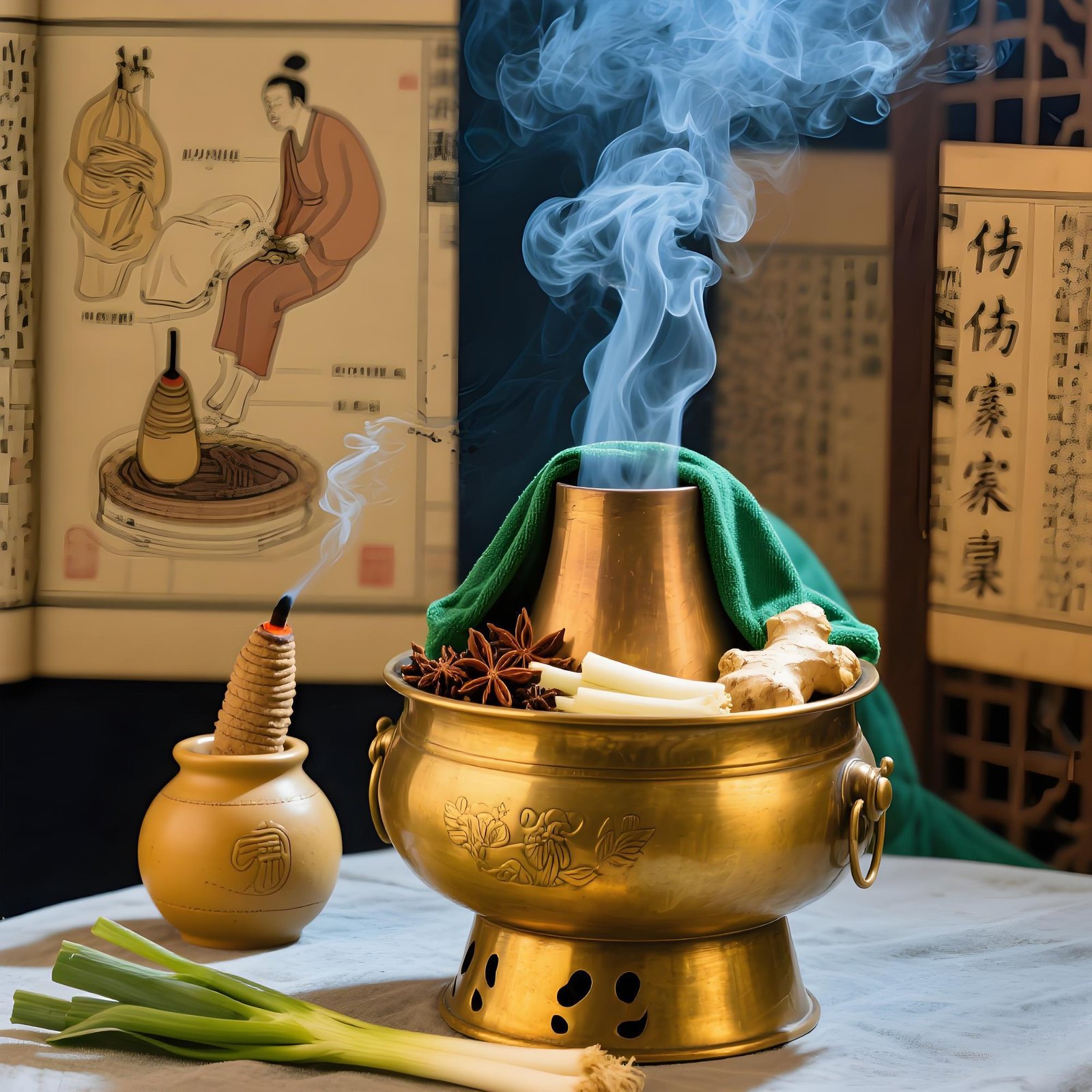
Relieve colds
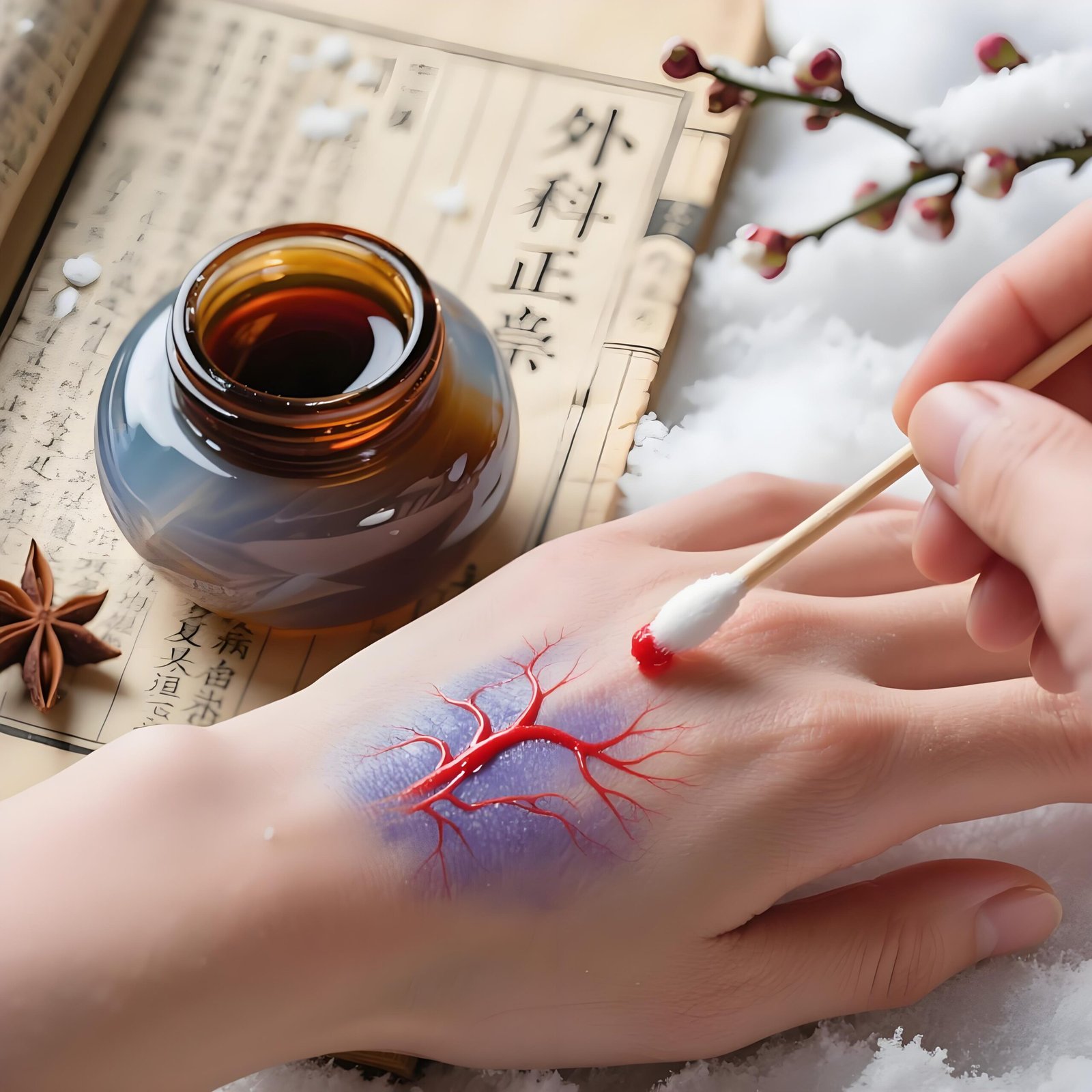
Reduce redness and swelling
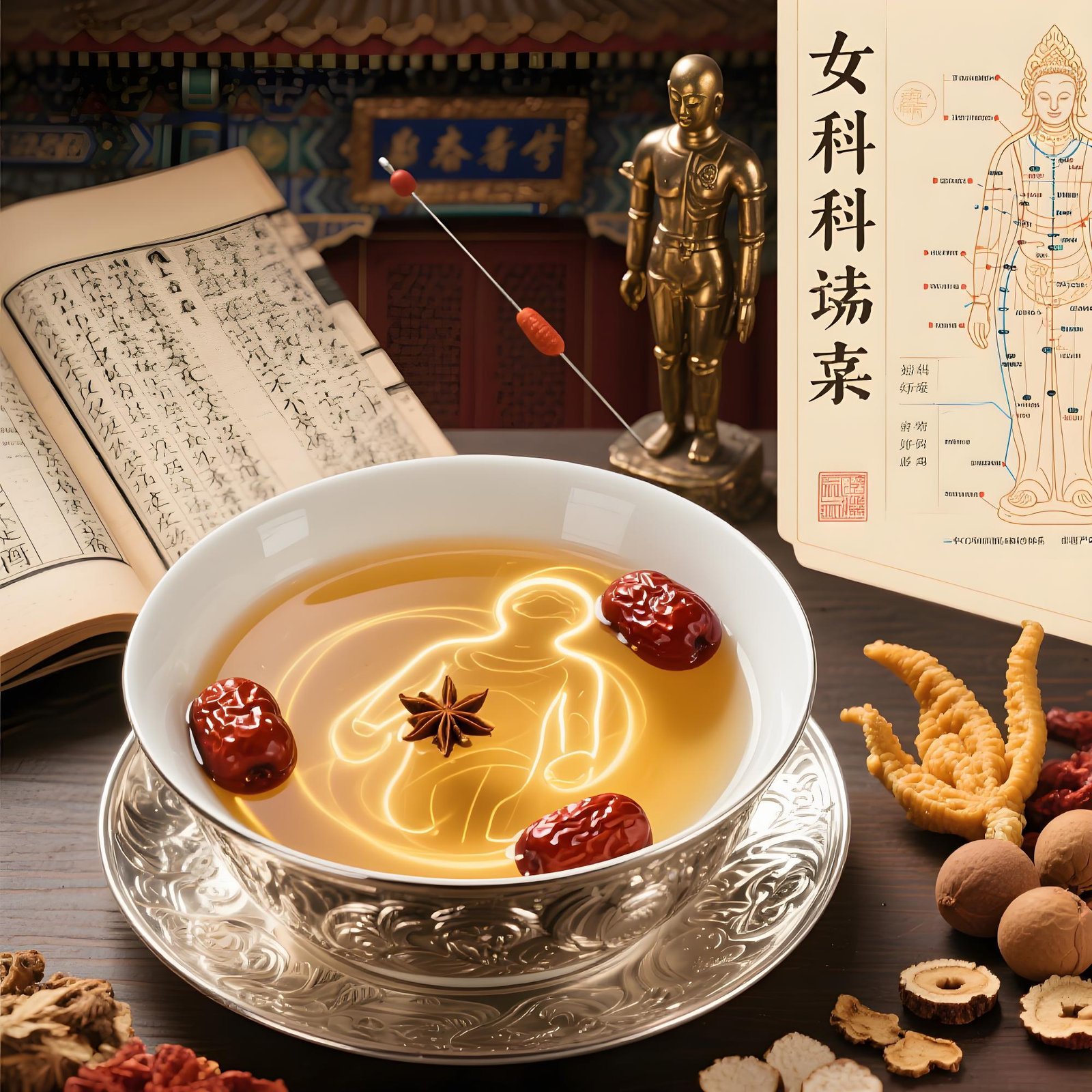
Postpartum cold conditioning
Culture

Clove-Yin and Yang and the Five Elements
Clove, warm in nature and pungent in taste, belongs to yang, with yang attributes like warmth. It can supplement yang qi and dispel cold pathogens, effective for symptoms such as chills caused by insufficient yang qi. It relieves epigastric and abdominal cold pain caused by cold invading the spleen and stomach, helping the body balance yin and yang.
In the five elements, clove belongs to wood, conforming to wood’s characteristics of growth and upward movement. The liver corresponds to wood. Though not directly soothing the liver, clove, with its warmth, helps yang qi rise, smooths qi movement, aids liver function, and benefits overall qi regulation.
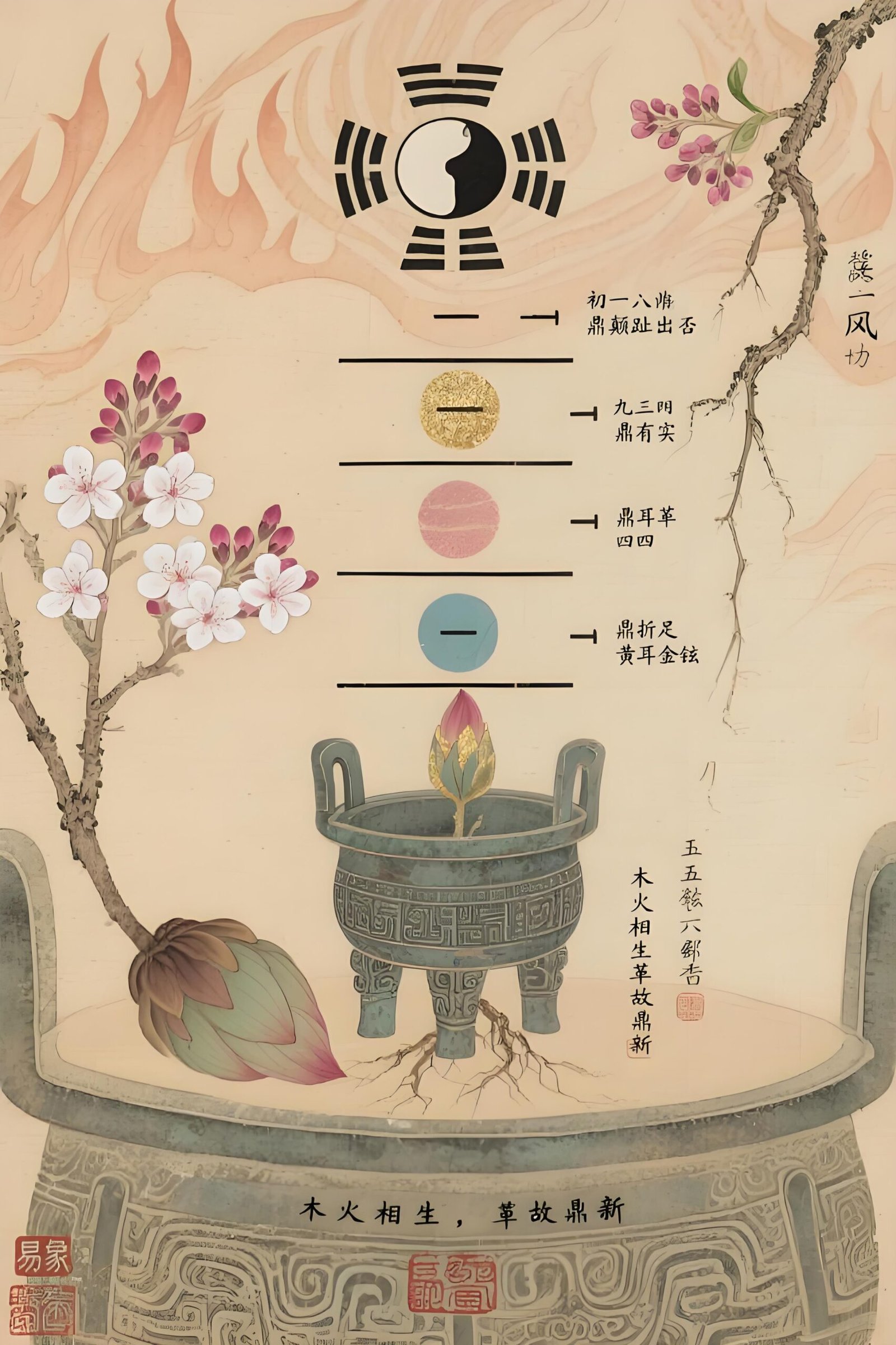
Clove-I Ching
Clove is most closely associated with the “Ding Gua” (the 50th hexagram) in I Ching. The Ding Gua symbolizes “cooking to create newness, stability through innovation,” and its hexagram image, line statements,and philosophical connotations highly align with clove’s characteristics in dietary harmony, medicinal transformation, and cultural metaphors.Through the imagery of “cooking to generate newness,” the Ding Gua reveals the universal laws of transformation, harmony, and sublimation.Clove, with its unique medicinal properties, aroma, and cultural metaphors, serves as a microcosmic carrier of these laws. Together, they interpret the dialectical relationship between “changeability” and “unchangeability” in Chinese civilization,as well as the essence of wisdom embodied in concepts like “nourishment through unblocking” and “harmony as the most precious.”
Clove-Feng Shui
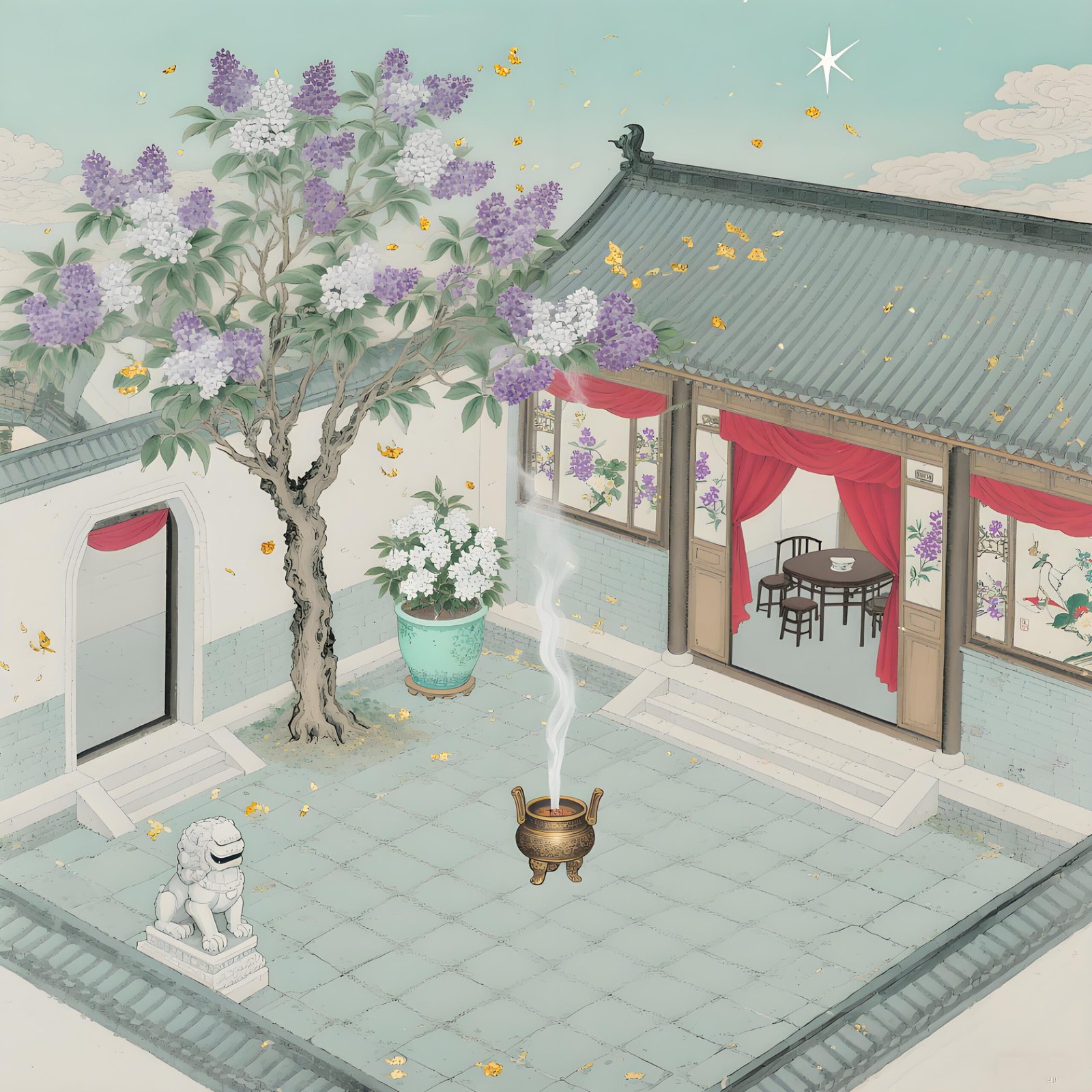
In feng shui culture, cloves belong to the wood element and are suitable for planting in the east. They enhance family vitality and cooperation through the principle of “wood generating fire”.
Their fragrance can purify the air, dispel negative energy, and boost positive energy at home. Cloves symbolize love and happiness, with “ding” (clove) homophonic to “ding” (stability), implying family harmony, strengthening cohesion,
and benefiting interpersonal relationships and noble luck. Purple cloves are good for career and wealth, suitable for offices or living rooms;
white cloves can resolve adverse energy. They are ideal for the southeast to enhance fortune and health, or near courtyard entrances/windows to add vitality and good luck.
Smell and meditate