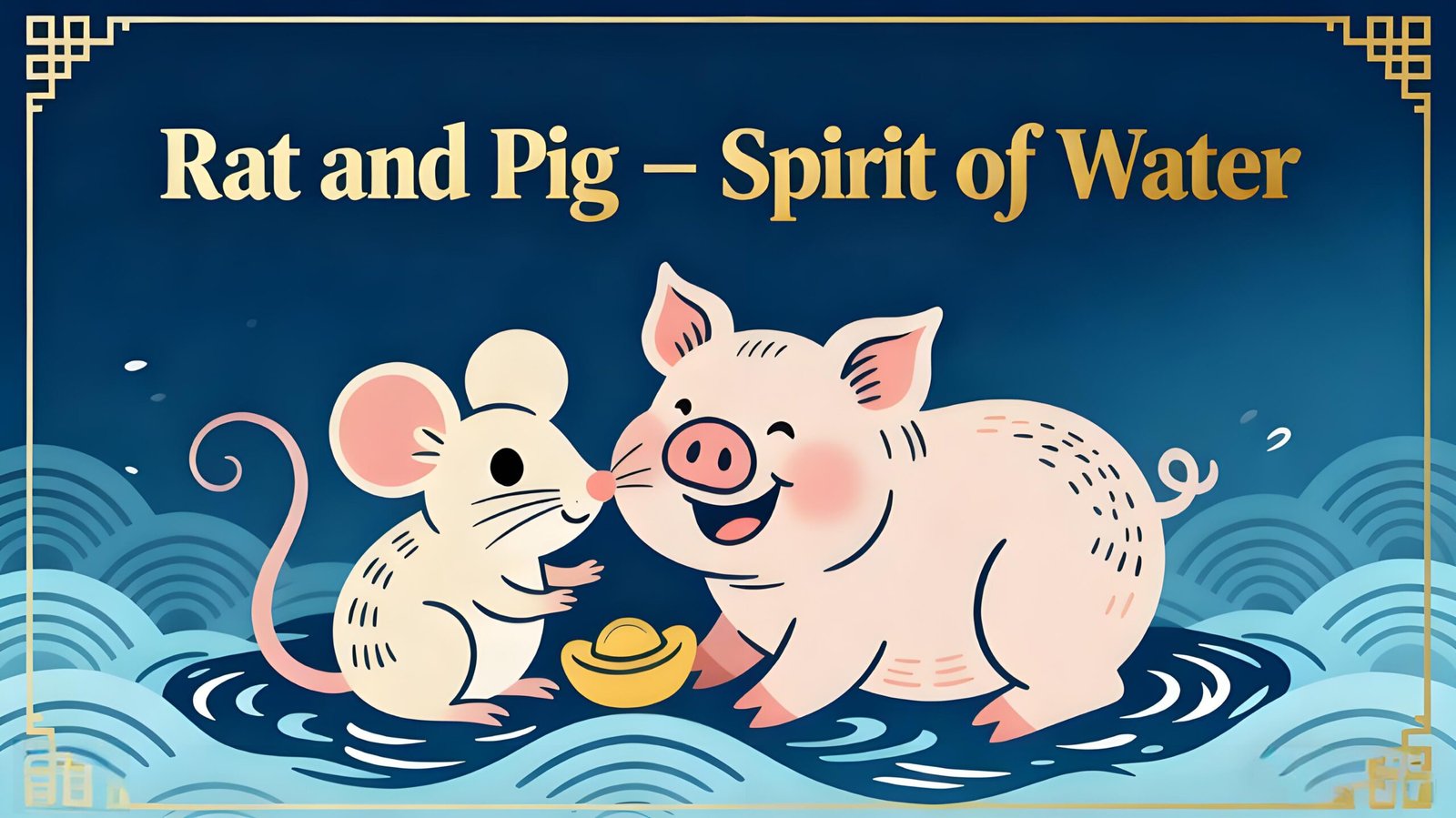
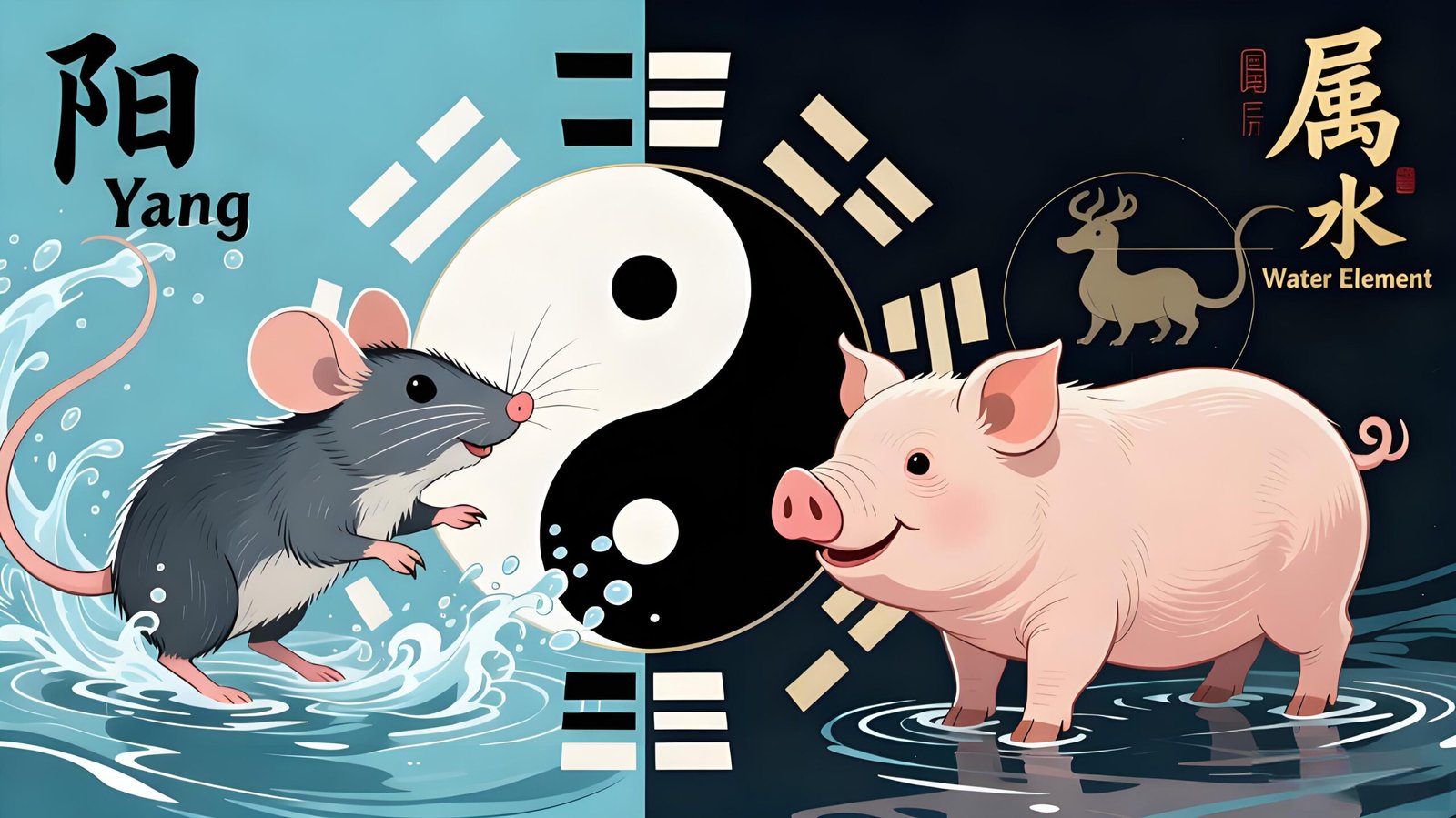
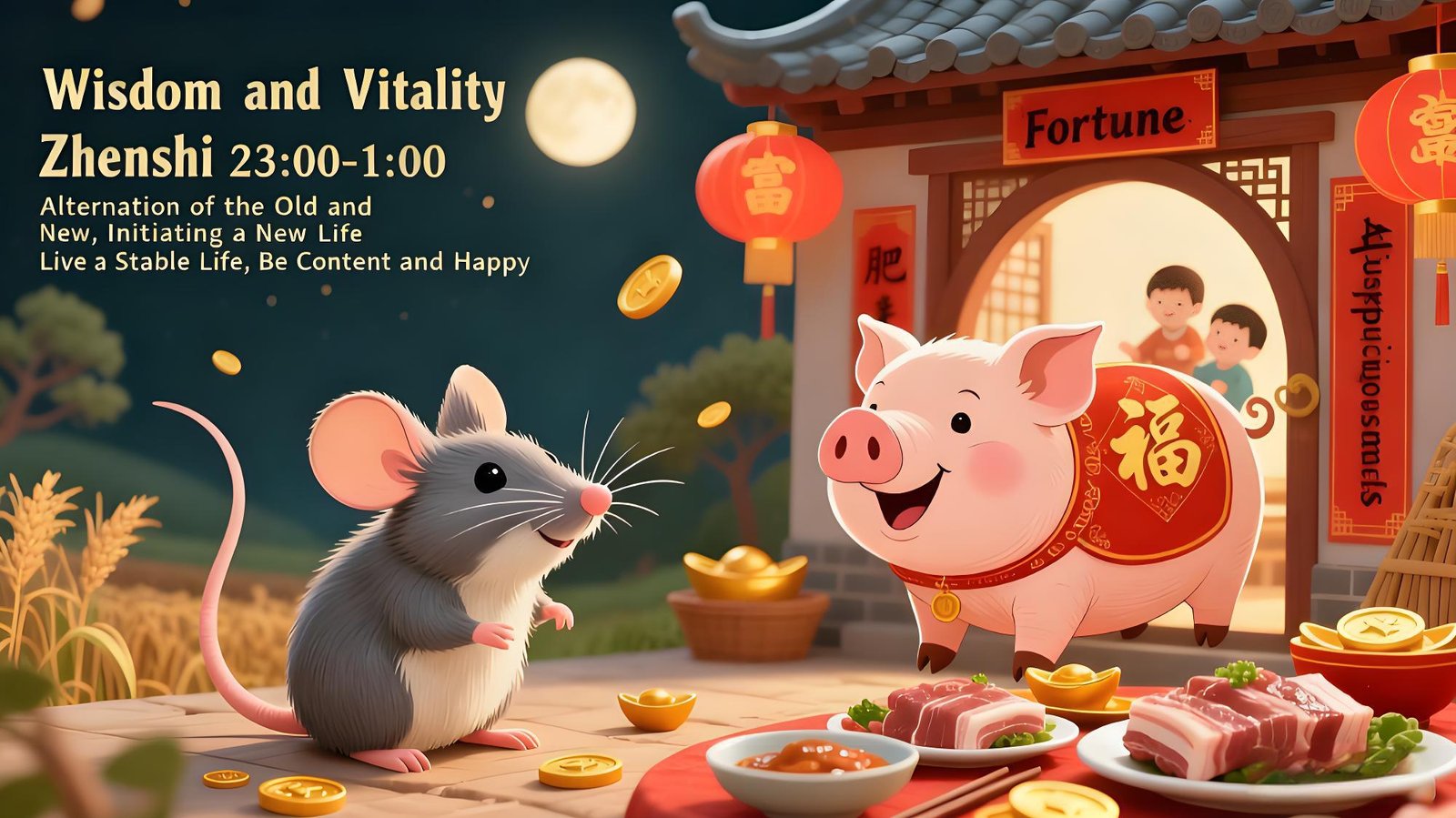
In the Yin-Yang and Five Elements system of the Chinese Zodiac, the Rat corresponds to Yang Water. Yang Water is agile and pioneering, endowing people born in the Year of the Rat with intelligence, quick wit, and strong adaptability. They excel at seizing opportunities to open up new prospects, yet may easily appear fickle-minded due to the fluid nature of water.
The Pig corresponds to Yin Water. Yin Water is gentle and tolerant, making people born in the Year of the Pig mild-mannered, sincere in dealing with others, full of compassion and a sense of responsibility, and steadfast in their work. However, the introverted nature of Yin Water may also make them slightly passive in decision-making, lacking the drive for proactive advancement. Although both belong to the Water element, they exhibit distinct personality tendencies—one firm and the other gentle—due to the difference between Yin and Yang.
2.Character
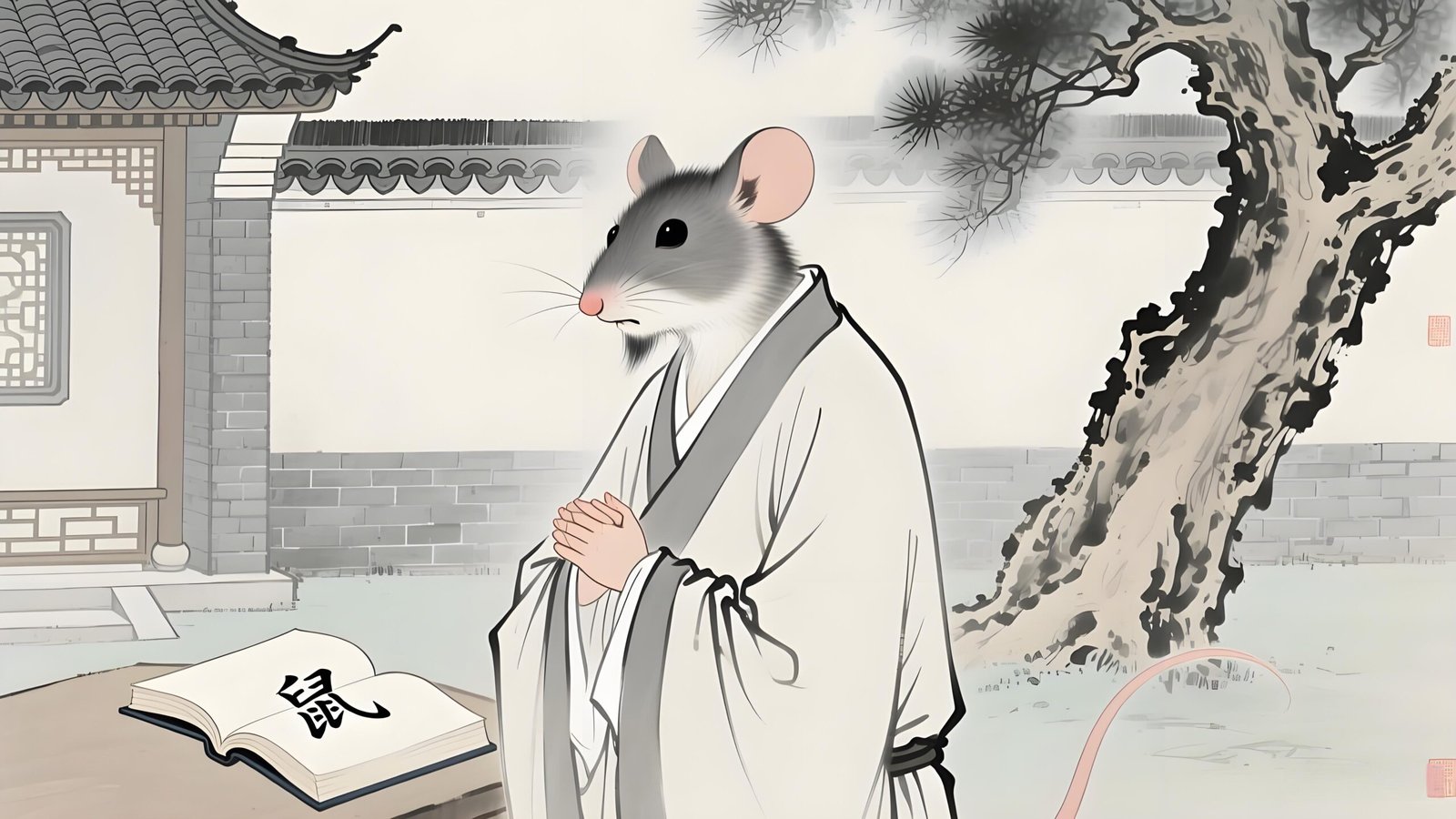
People born in the Year of the Rat are intelligent and quick-witted, with strong adaptability. They can always quickly find solutions when facing difficulties. They are also cautious and meticulous in doing things, good at planning, and have a persistent pursuit of goals. However, sometimes they may seem hesitant due to overthinking and are a bit sensitive occasionally.
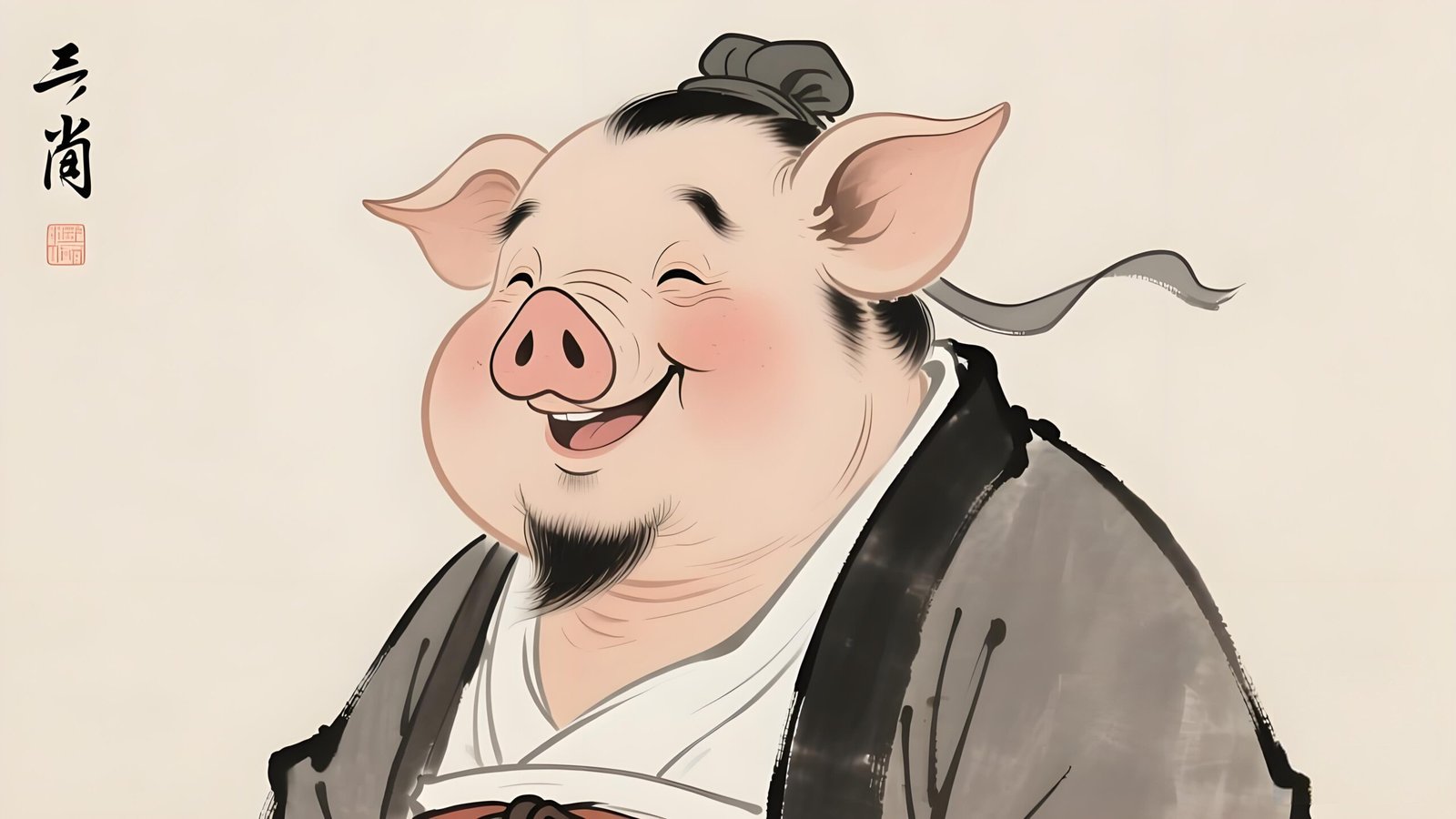
People born in the Year of the Pig have a gentle and simple personality. They are sincere and friendly to others, value affection and righteousness, and have great tolerance for people around them, making them trustworthy partners. They are optimistic and open-minded, able to maintain a positive attitude in the face of life setbacks. Nevertheless, sometimes they lack their own opinions because of their easy-going nature and are slightly procrastinating in doing things.
3.Marriage
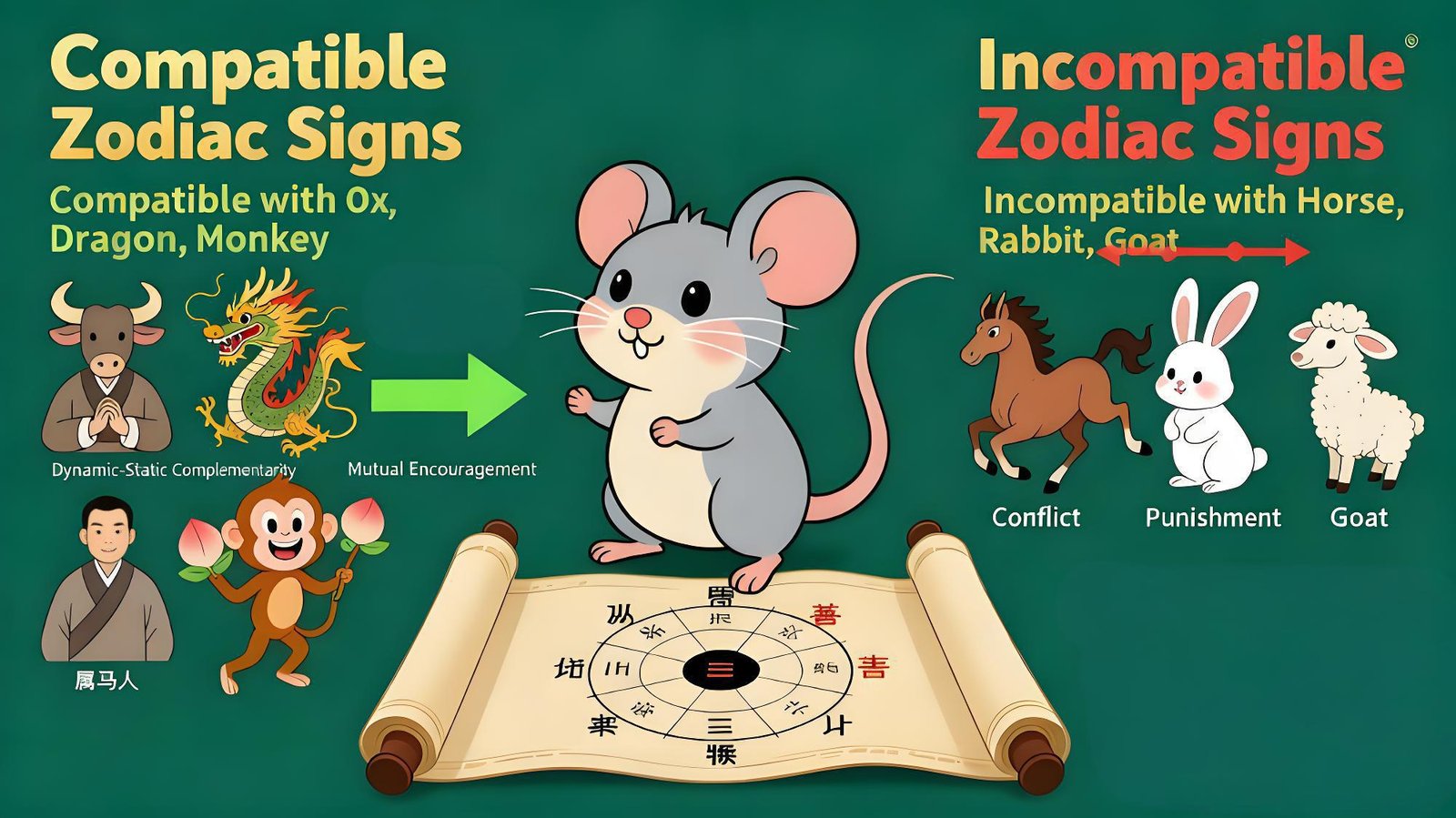
People born in the Year of the Rat are intelligent, quick-witted and good at planning. For marriage compatibility, they are ideally matched with those born in the Year of the Ox, Dragon, or Monkey. The Rat (Zi) and the Ox (Chou) form a “Liuhe” (harmonious union) relationship. People born in the Year of the Ox are down-to-earth and loyal, able to tolerate the Rat’s agility with their steadiness, forming a stable “dynamic-static complementary” bond. Pairing with the Dragon creates a “strong alliance”—both have a sense of purpose and easily reach consensus on decisions, boosting both career and family prosperity. With the Monkey, their shared proactive attitude allows mutual encouragement and fewer conflicts. They should avoid pairing with those born in the Year of the Horse, Rabbit, or Sheep: the Rat clashes with the Horse (Wu), conflicts with the Rabbit (Mao), and is incompatible with the Sheep (Wei), which may trigger marital frictions due to personality or conceptual differences.
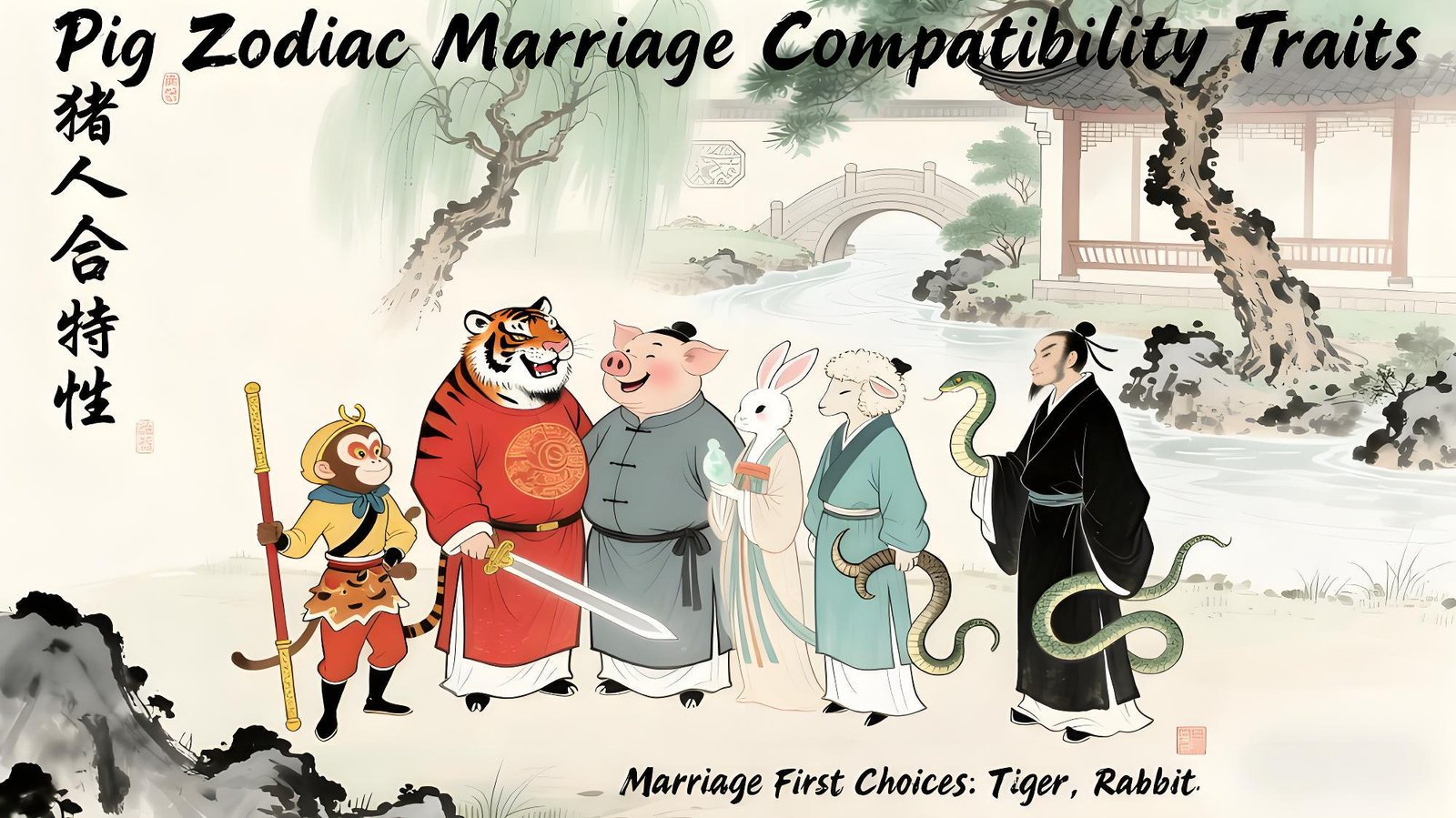
People born in the Year of the Pig are gentle, practical, and value family and relationships. Their top marriage matches are those born in the Year of the Tiger, Rabbit, or Sheep. The Pig (Hai) and the Tiger (Yin) form a “Liuhe” relationship. Tigers are enthusiastic and decisive, which can motivate the Pig, while the Pig’s tolerance eases the Tiger’s impatience—making them an excellent “hard-soft balanced” match. With the Rabbit and Sheep, they form a “Sanhe” (triple harmony) relationship. They share similar personalities, advocate a peaceful life, and prioritize family warmth, leading to great rapport in marriage and a jointly built stable atmosphere. They should avoid pairing with those born in the Year of the Snake or Monkey: the Pig clashes with the Snake (Si) and is incompatible with the Monkey (Shen), which may cause trust crises due to different ways of handling things, endangering marital longevity.
4.Feng Shui
In Fengshui culture, the selection of auspicious mascots and their placement positions for the Rat and Pig in the Twelve Zodiac Signs should be based on their Five Elements attributes (Rat belongs to Water, Pig belongs to Water) and fortune needs to enhance wealth luck and career luck.
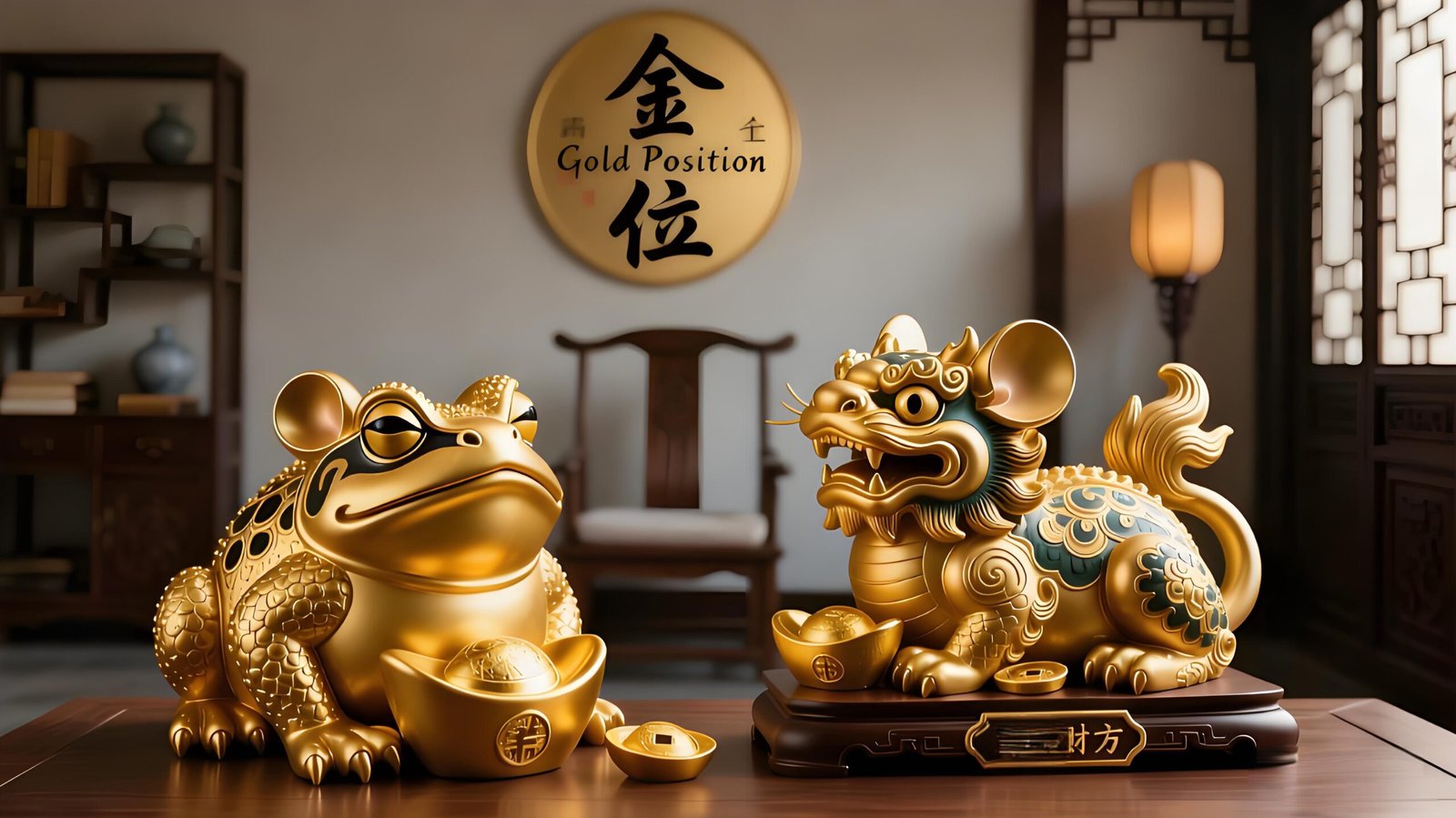
For those born in the Year of the Rat: “Golden Toad” and “Pixiu” are suitable auspicious mascots. The Golden Toad symbolizes attracting wealth, and Pixiu is mainly for keeping wealth. Both are in line with the agile characteristics of the Rat and can help gather wealth. The preferred placement direction is the due north (Zi position), which is the Rat’s natal position and can strengthen the aura; the second choice is the due west (You position). Since metal generates water and the west belongs to metal, it can promote the circulation of wealth luck. It should be noted that the head of the mascot should face the interior of the room, and avoid facing doors and windows to prevent the leakage of wealth energy.
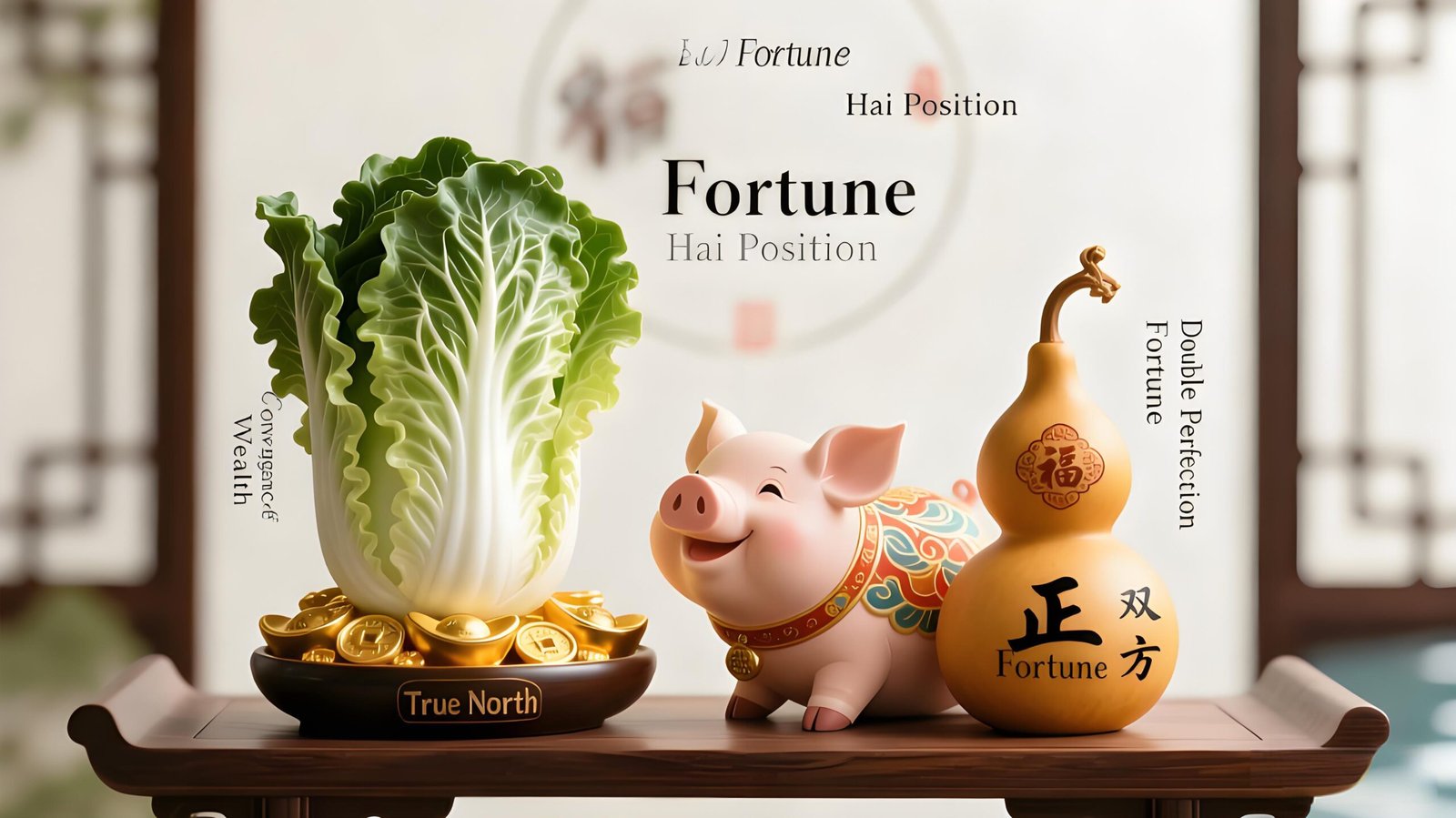
For those born in the Year of the Pig: “Chinese Cabbage (Bai Cai, meaning ‘hundreds of wealth’)” and “Gourd” are suitable as auspicious mascots. Chinese Cabbage implies “gathering hundreds of wealth”, and Gourd symbolizes both good fortune and prosperity, which is consistent with the gentle nature of the Pig and can boost career and gather wealth luck. The priority placement is the due north (Hai position), the Pig’s natal position, which can stabilize fortune; it can also be placed in the northeast (Chou position). As earth generates water and the northeast belongs to earth, it helps the career to improve steadily.
5.Culture
In the culture of the Twelve Chinese Zodiac Signs, although the rat is small in size, it symbolizes “wisdom and vitality”. As the first sign of the zodiac, it corresponds to the Zi hour (23:00-1:00), implying the meaning of “the alternation of old and new, and the initiation of a new life”. The ancients also often relied on the rat’s reproductive ability to place their hopes for the prosperity of the family. However, influenced by common sayings like “steal like a rat”, the rat also carries the negative association of “cunning”, reflecting the duality of cultural symbols.
Known as the “King of Beasts”, the Tiger is the embodiment of strength, majesty and courage. In ancient times, emperors decorated weapons and flags with tiger patterns, using its intimidating power to strengthen their ruling authority; among the people, the Tiger was regarded as a mythical beast that guards homes and wards off evil. Children wear tiger-head hats and shoes, carrying the wish of resisting disasters. Its deep-seated meaning points to “masculine vitality”, representing the spiritual core of facing challenges directly and upholding justice. For example, the phrase “tiger-like courage and ambition” highlights the character of fearlessness.
The pig, on the other hand, is a symbol of “prosperity and good fortune”. In agrarian societies, pigs were an important reserve of family wealth, and the pattern of “a fat pig arching the door” was often used to symbolize the arrival of wealth. Its gentle and simple temperament also makes the “pig” an embodiment of “steadiness and auspiciousness”. For example, the pork in the New Year’s Eve dinner carries the wish of “having surplus every year”. On a deeper level, the pig’s “absence of competition” also implies the ancients’ advocacy of the life attitude of “living a stable life and being content with what one has”.