Lemongrass’s growth
Lemongrass’s function
Lemongrass’s cultural
Chinese medicine
Dispel wind and dredge meridians, dispel cold and relieve pain:
Lemongrass is warm in nature and pungent in flavor. It enters the lung and bladder meridians. It can dispel wind, cold and dampness, treat colds and rheumatic pain. Its volatile oil can promote blood circulation and relieve pain from bruises and blood stasis.
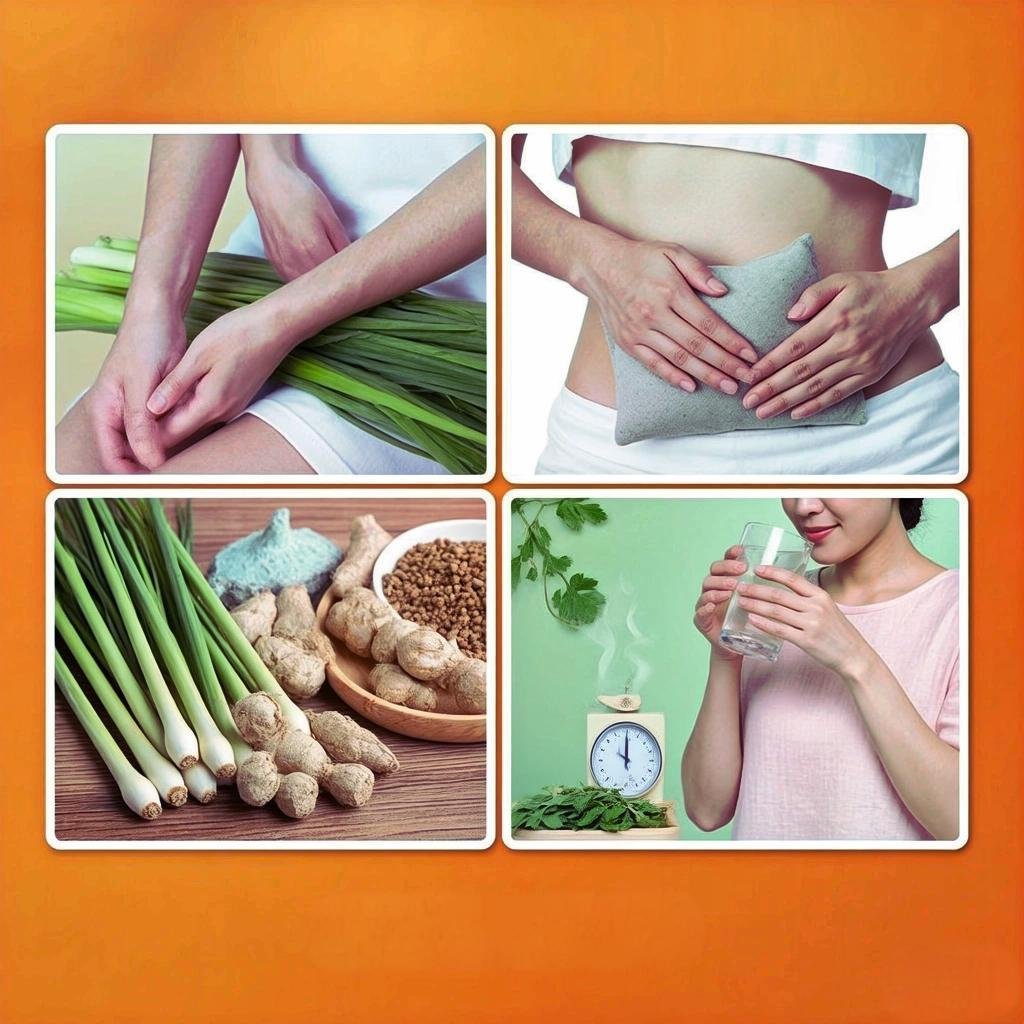
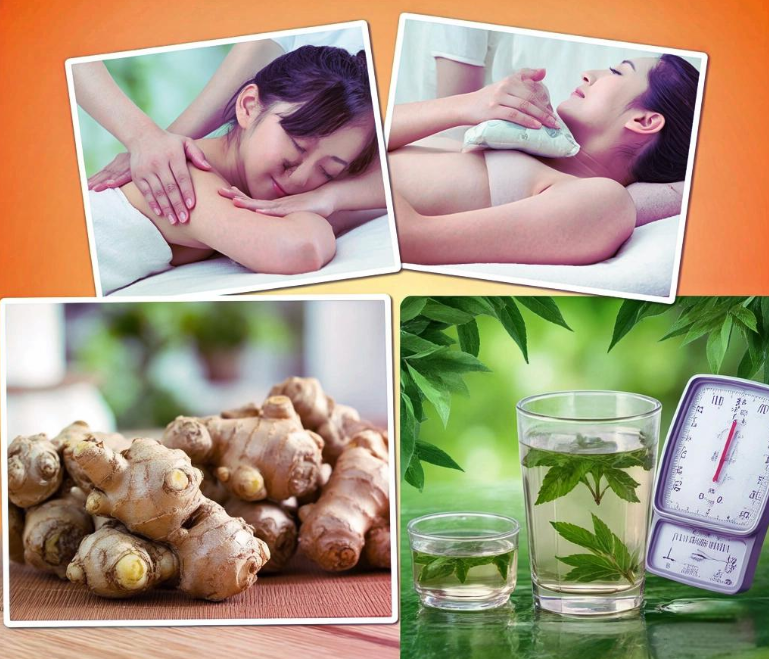
Warming the middle and stopping diarrhea, regulating the spleen and stomach:
Lemongrass can warm the middle and dispel cold, consolidate the yang energy of the spleen and stomach, and treat diarrhea caused by spleen and stomach deficiency and cold pain in the stomach.
Diuresis, swelling, and fluid regulation:
Lemongrass belongs to the bladder meridian, and can promote diuresis and eliminate dampness to reduce swelling and regulate water content. It can treat athlete’s foot edema, postpartum edema, etc. The diuretic effect is related to improving microcirculation and eliminating tissue edema.
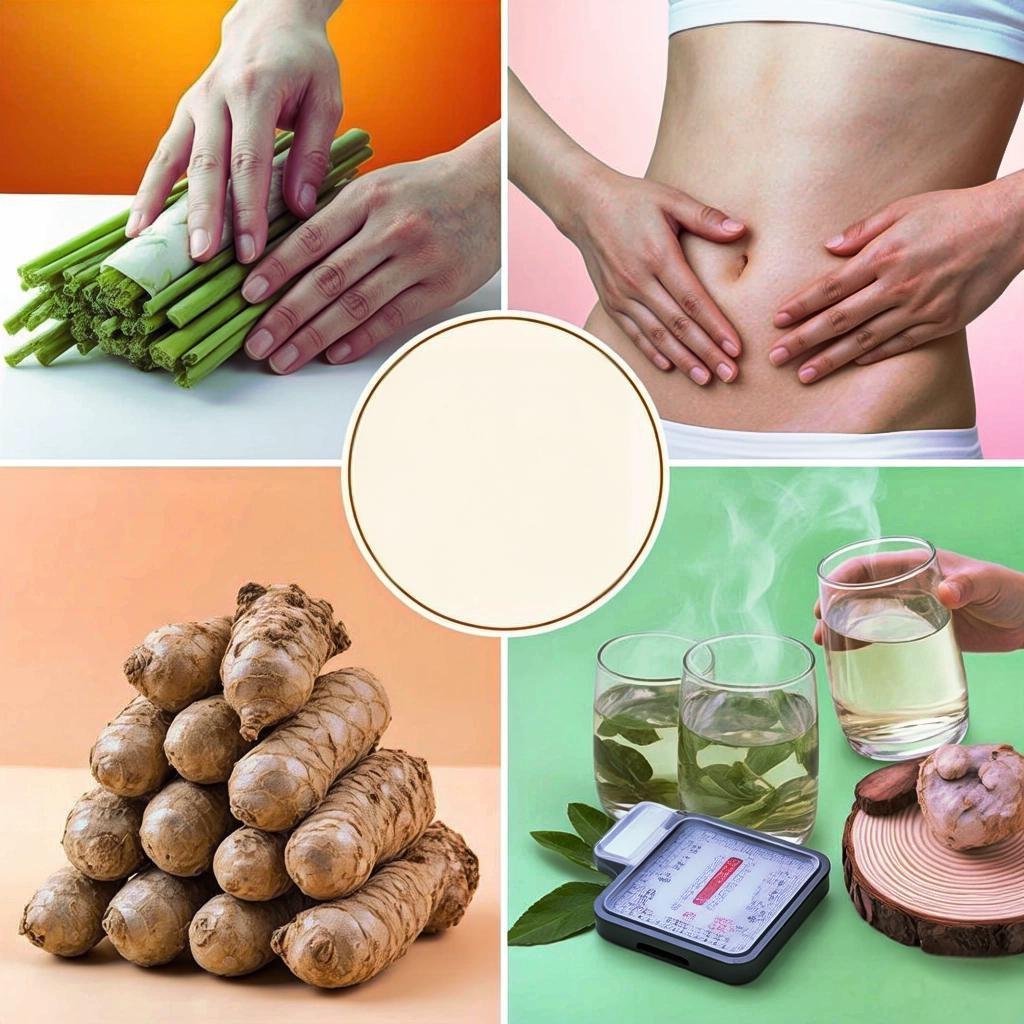

Regulate menstruation and relieve pain:
For menstrual irregularities caused by cold-stagnation and blood stasis (such as abdominal pain during menstruation, dark-colored menstrual blood with clots), and postpartum abdominal pain due to blood stasis, lemongrass can improve symptoms by promoting blood circulation and menstruation.
Life scenes
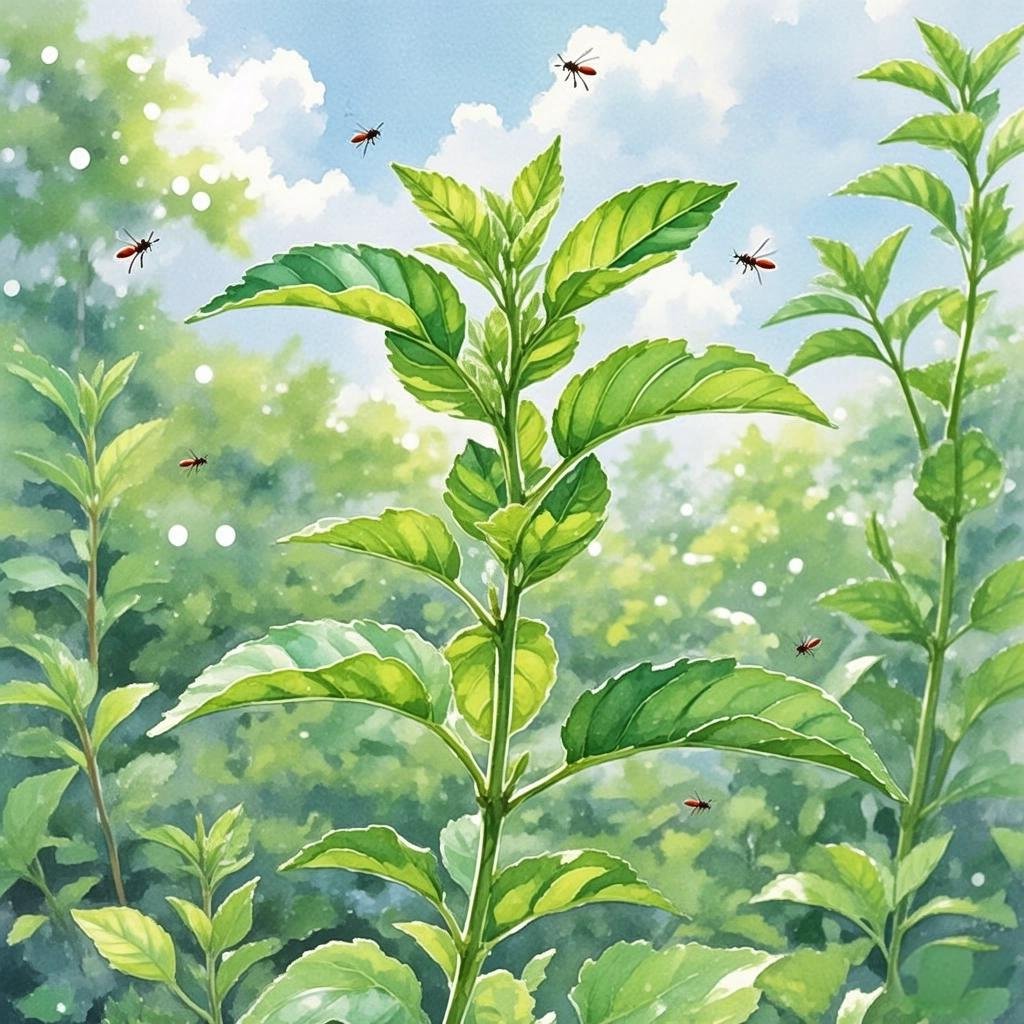
mosquito repellent
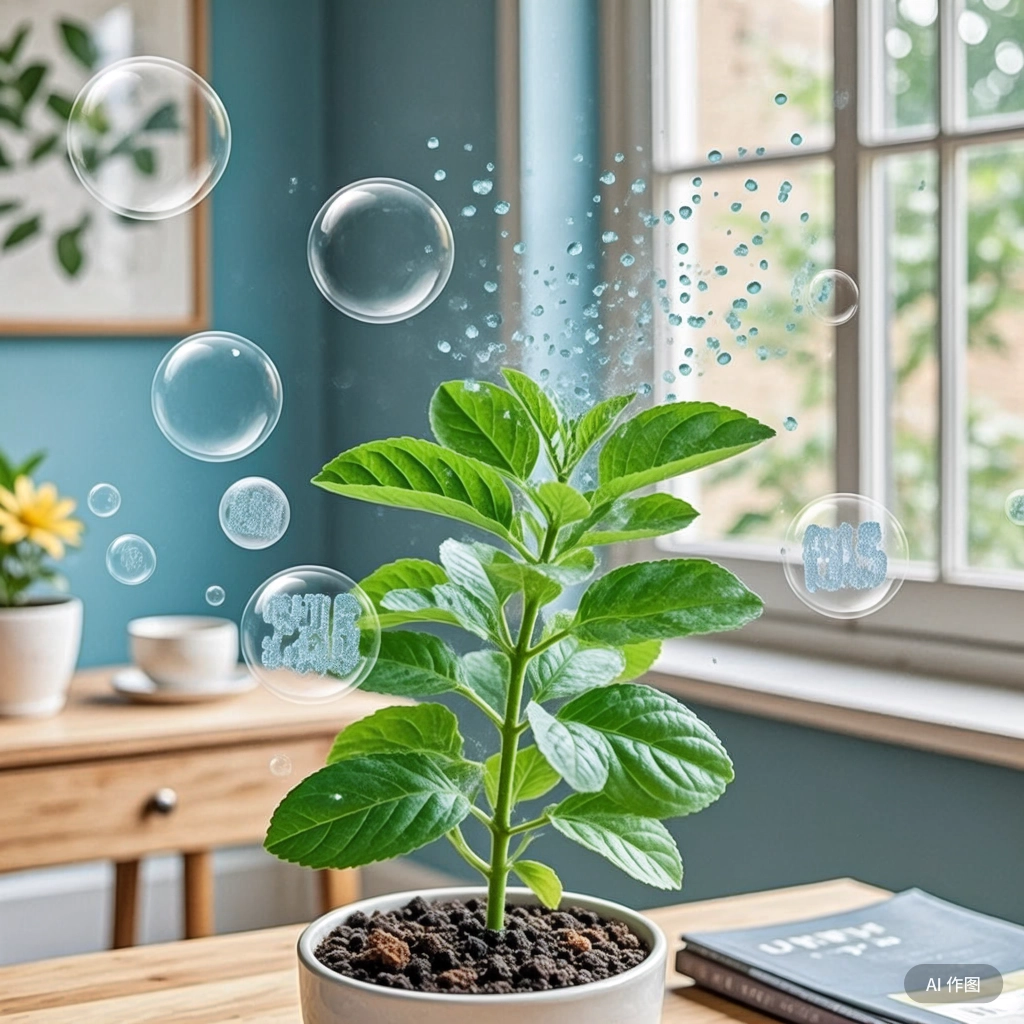
Purify the air
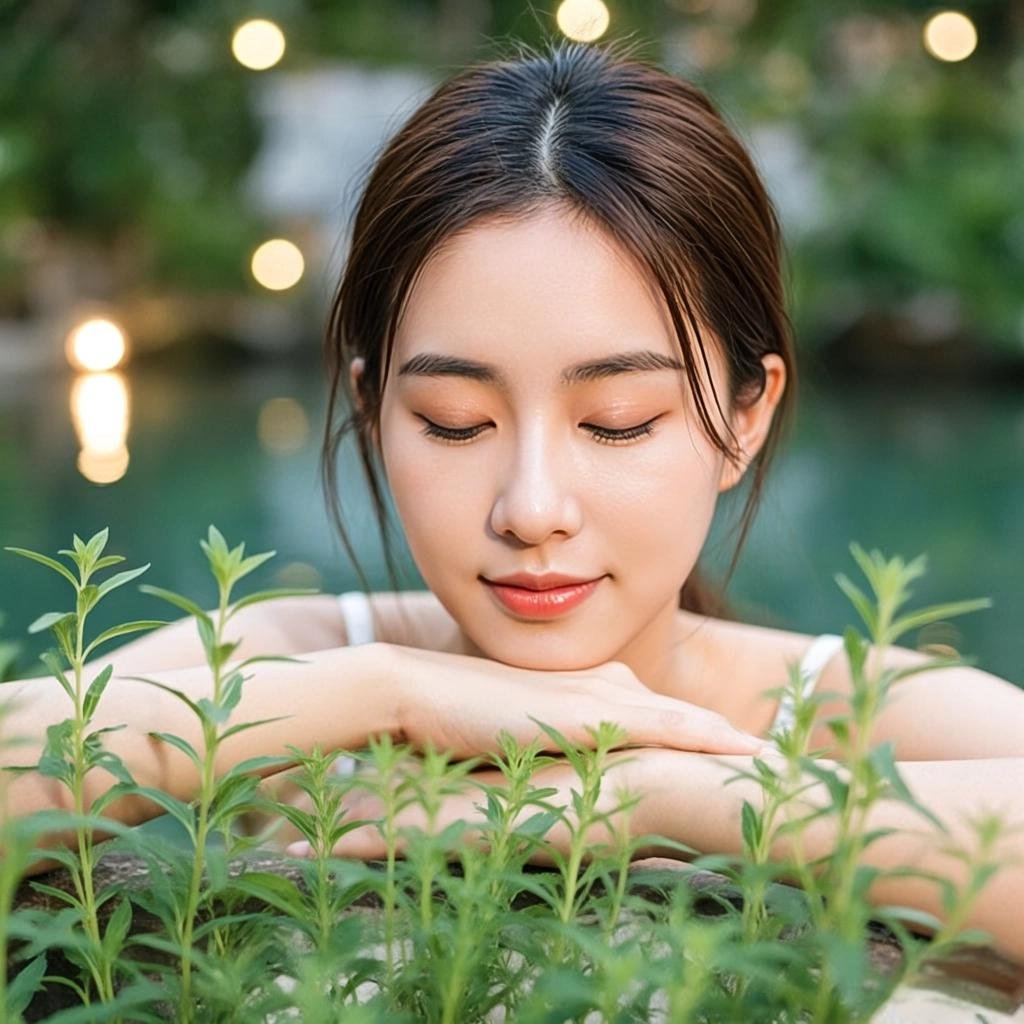
Soothe emotions

Beauty and skin care

Relieve fatigue
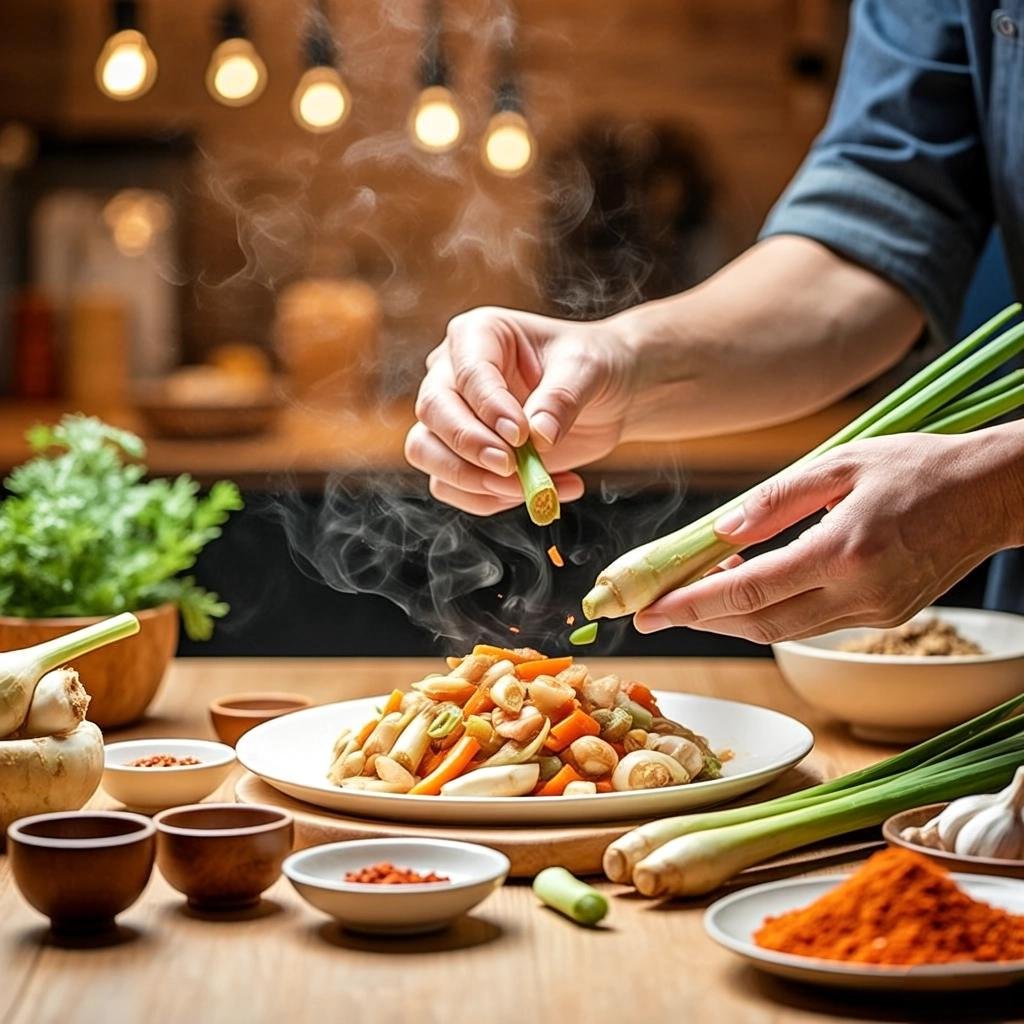
Seasoning and flavoring
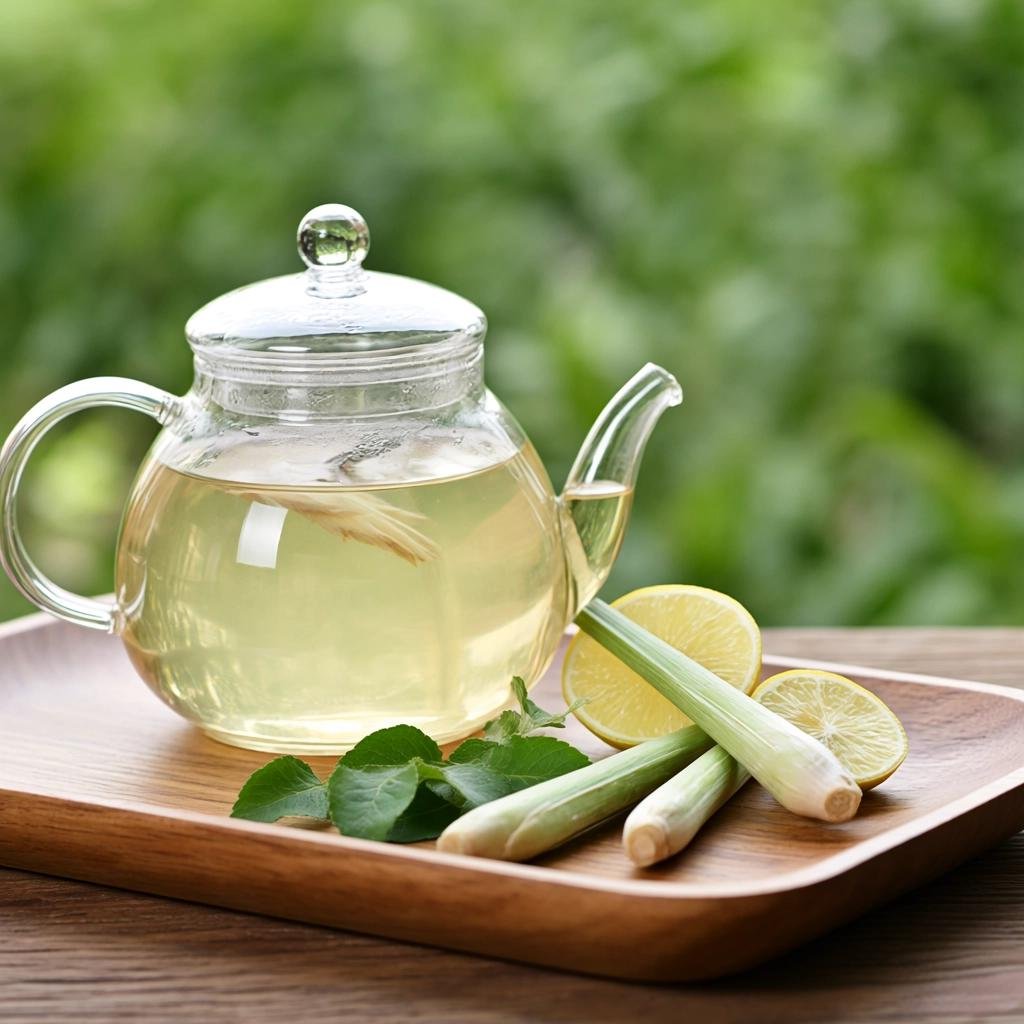
Drinking tea

Clothing moth-proofing
Culture
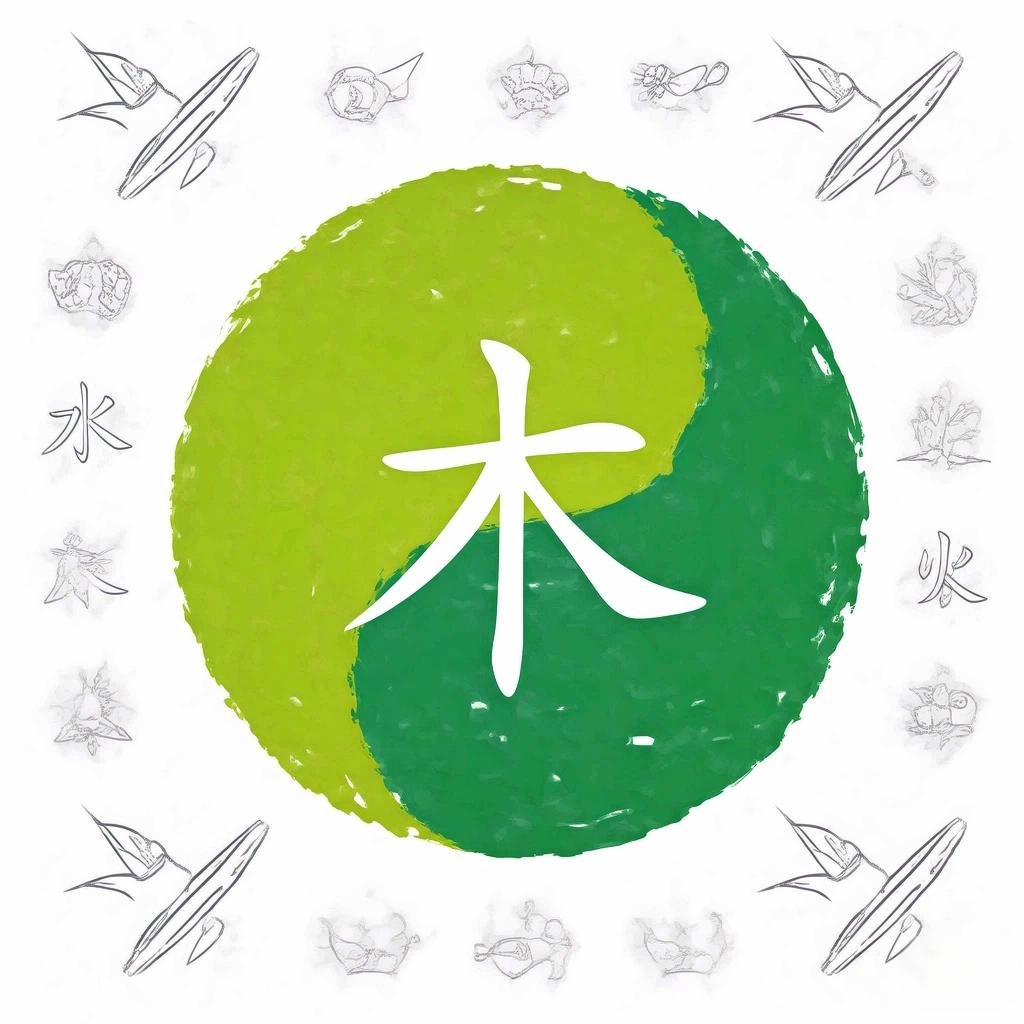
Five elements
In Traditional Chinese Medicine’s Five Elements theory, lemongrass is primarily classified as belonging to the Wood Element. Its refreshing, lemon-like aroma is considered a “Wood Element” aroma in the Five Elements classification. Its green, fresh, and uplifting qualities resonate with the Wood Element’s function of dredging the liver and gallbladder and regulating Qi.
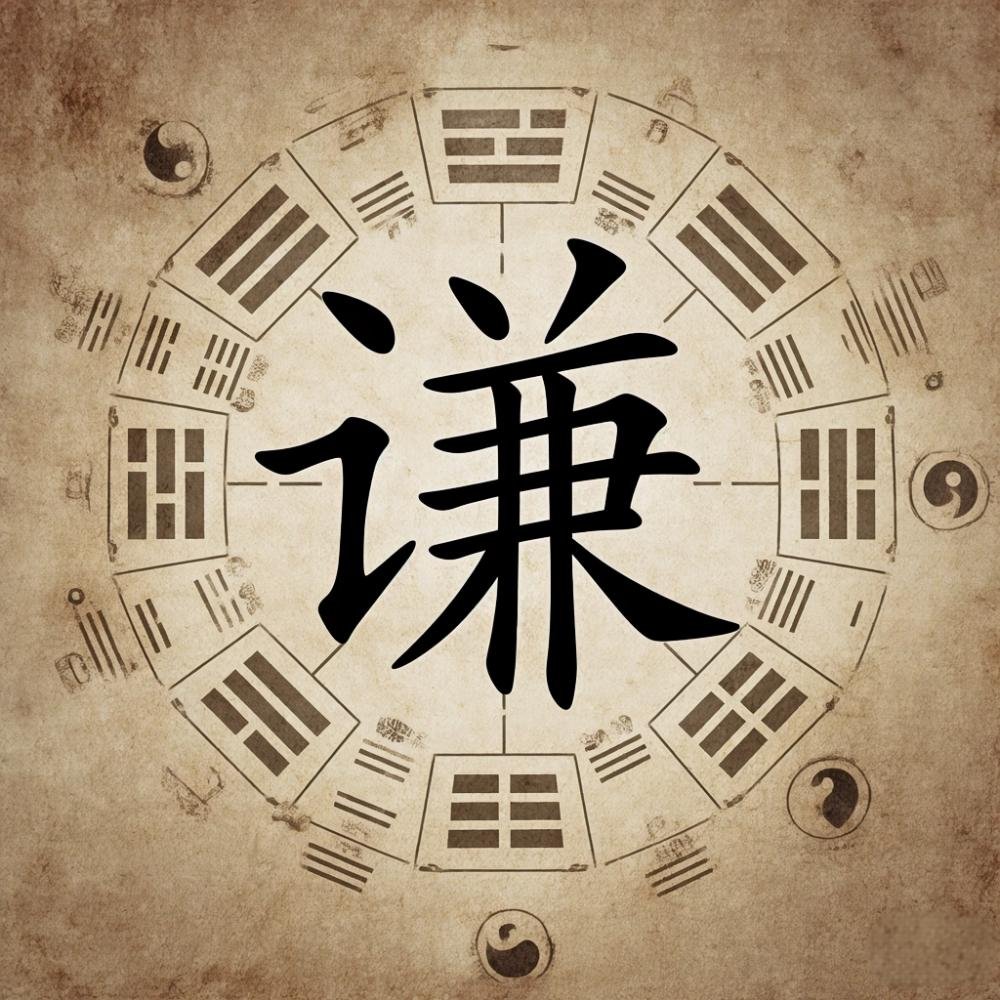
I Ching
As a “medium for communication between heaven and man,” the cultural attributes of lemongrass directly echo the ritual scene of “borrowing white grass” in the “Daguo” hexagram of the Book of Changes. The philosophical core of the Daguo hexagram—avoiding disaster through piety and moderation—is highly consistent with the sacred symbolism and purifying function of lemongrass in rituals. This connection not only reveals the ancient cosmological concept of “animism” but also reflects the reflection of the “harmony and balance” wisdom of the Book of Changes in all things in nature. When we use lemongrass in modern life, we may be continuing this millennia-old cultural code and practicing the ancient philosophy of “harmony between man and nature.”
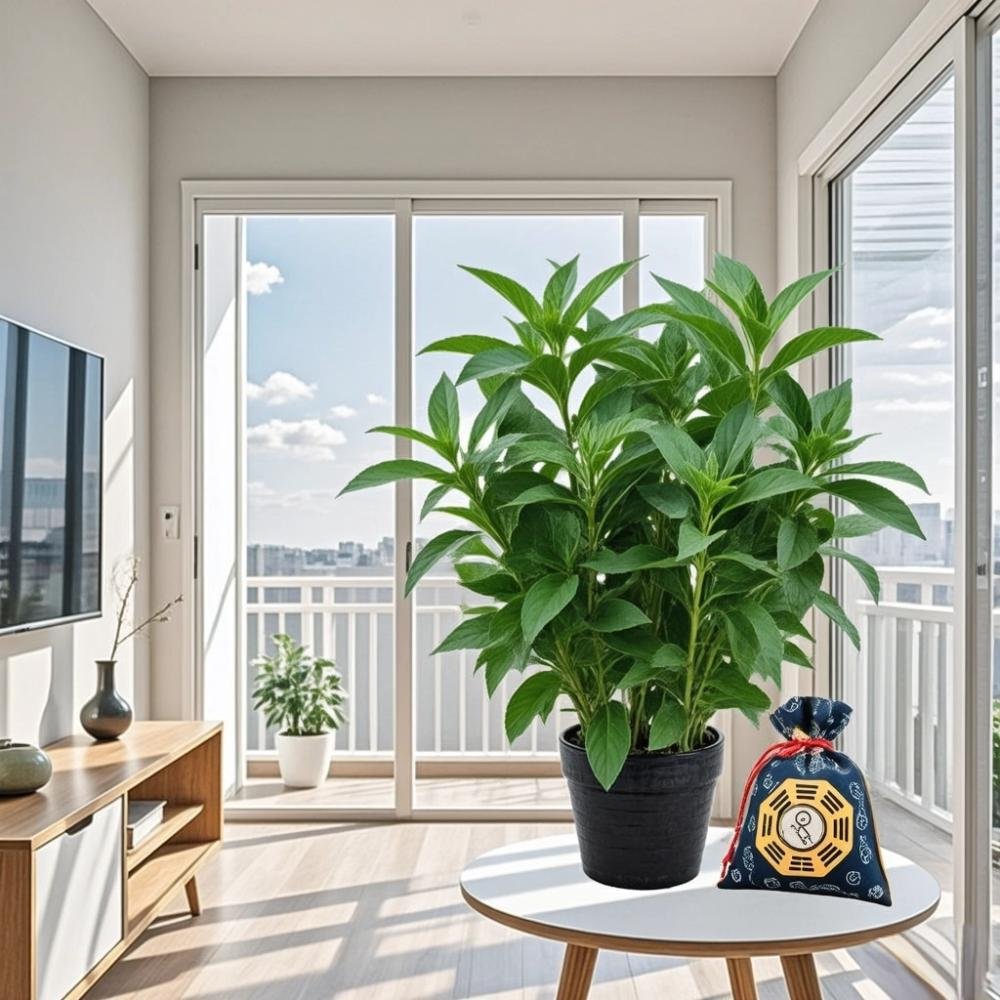
Geomancy
In feng shui, lemongrass is both a lucky charm for warding off evil and a practical tool for balancing the Five Elements. However, its use should be considered strategically, taking into account environmental conditions and personal needs. The following guidelines apply to home use:
Do: Place on a well-ventilated east/north-facing balcony, or make a scented sachet and carry it with you.
Do not: Avoid planting it extensively near doorways, and those with sensitive skin should exercise caution when using strongly scented products.
Through a combination of scientific care and cultural significance, lemongrass can become a practical and symbolic “green feng shui charm” in modern homes.
Smell and meditate