
Su Embroidery: The Exquisite Art of Jiangnan and a Treasure of Chinese Traditional Culture
Introduction: Su Embroidery – The Crown of China’s “Four Great Embroideries”
In the long river of Chinese traditional crafts, embroidery stands as a brilliant pearl that combines practicality and aesthetics, embodying the wisdom and craftsmanship of Chinese women for thousands of years. Among the numerous embroidery styles spread across the country, Su Embroidery, which originates from Suzhou (including Changzhou, Wuxi, Changshu and other surrounding areas in the southern part of Jiangsu Province), is renowned as the “crown of the four great embroideries” (along with Yue Embroidery in Guangdong, Shu Embroidery in Sichuan and Xiang Embroidery in Hunan) for its delicate stitches, elegant colors and vivid imagery. Suzhou, located in the core area of the Yangtze River Delta, has been known as the “paradise on earth” since ancient times. The gentle and graceful Jiangnan water town culture has nurtured Su Embroidery’s unique artistic temperament – it is not as bold and unrestrained as Shu Embroidery, nor as bright and gorgeous as Yue Embroidery, but takes “delicacy, elegance, subtlety and vividness” as its soul, interpreting the Chinese traditional aesthetic pursuit of “harmony between man and nature” and “implicitness and grace”.
Su Embroidery is not just a craft; it is a carrier of Chinese traditional culture. From the patterns of lucky animals and plants to the scenes of literati’s elegant gatherings, from the portrayal of historical stories to the depiction of natural scenery, every Su Embroidery work contains the cultural codes of the Chinese nation, such as the concept of good fortune, the respect for history and the love for nature. With a history of more than 2,000 years, Su Embroidery has experienced the germination of the Spring and Autumn Period and the Warring States Period, the development of the Sui and Tang Dynasties, the prosperity of the Ming and Qing Dynasties, and the innovation of modern times. It has not only become a royal tribute and a treasure for literati, but also a business card for Chinese culture to go to the world. This article will explore the profound cultural connotation of Su Embroidery from its historical evolution, unique craftsmanship, artistic characteristics, cultural symbols and modern inheritance, and show the eternal charm of this traditional art.
I. Historical Evolution of Su Embroidery: From Folk Craft to Art Treasure
The development of Su Embroidery is closely linked to the historical changes of Suzhou and the prosperity of the Jiangnan region. Its evolution process is not only a history of the improvement of craftsmanship, but also a history of the integration of folk culture and court culture, traditional art and social life. From the simple embroidery on linen in the early days to the exquisite works that combine painting and calligraphy in modern times, Su Embroidery has been constantly absorbing the nutrients of the times and growing into a mature art form.
1. Germination Period: Spring and Autumn Period to Sui and Tang Dynasties (770 BC – 907 AD)
The origin of Su Embroidery can be traced back to the Spring and Autumn Period and the Warring States Period. Archaeological discoveries show that as early as 2,500 years ago, there were embroidered fabrics with simple patterns in the Suzhou area. In 1956, a tomb of the Spring and Autumn Period was excavated in Changshu, Suzhou, and a piece of linen embroidered with double-dragon patterns was unearthed. The stitches were simple but regular, and the dragon patterns had obvious primitive decorative characteristics, which was the earliest physical evidence of Su Embroidery found so far. During the Warring States Period, with the development of sericulture and weaving industry in the Jiangnan region, the raw materials of embroidery (silk and silk thread) became more abundant, and the embroidery craftsmanship was slightly improved. The patterns were mainly animals such as tigers, deer and phoenixes, which were related to the totem worship and auspicious concepts of the ancient people.
In the Han Dynasty, Su Embroidery began to move from folk to the upper class. The “Hanshu·Geography” recorded that “the southeast has Wu, Yue, and their people are good at weaving and embroidery”, which shows that Suzhou embroidery had a certain reputation at that time. The embroidered products of this period were mainly used for clothing decoration and ritual supplies. The patterns were more complicated, including cloud patterns, geometric patterns and historical stories. For example, the embroidered silk fragments unearthed from the Han tomb in Mawangdui, Changsha (though not produced in Suzhou, but reflecting the embroidery level of the same period) have delicate stitches and rich patterns, which can be inferred that Su Embroidery at that time had reached a certain level.
The Sui and Tang Dynasties were a period of great development for Su Embroidery. With the unification of the country and the prosperity of the economy, Suzhou became an important commercial city and textile center. The “Sui Shu·Jingji Zhi” recorded that Suzhou’s silk and embroidered products were among the tributes to the court. During the Tang Dynasty, the “Silk Road” was prosperous, and Su Embroidery, as a high-quality silk product, was also exported to Central Asia and even Europe along the Silk Road. The craftsmanship of Su Embroidery in this period was greatly improved. The stitches were more diverse, and the colors were more bright. The patterns were no longer limited to animals and geometric patterns, but also added flowers, birds, landscapes and other themes. For example, the Tang Dynasty embroidered pillow unearthed in Suzhou in 1971 was embroidered with peony patterns. The petals were layered with overlapping stitches, and the colors transitioned naturally, showing the embryonic form of Su Embroidery’s “delicate” characteristics.
2. Prosperity Period: Song and Yuan Dynasties (960 AD – 1368 AD)
The Song Dynasty was a key period for Su Embroidery to form its unique style. During this period, the literati painting flourished, and the aesthetic concept of “elegance and subtlety” was deeply rooted in the art field. Su Embroidery began to learn from the techniques of literati painting, and gradually changed from purely decorative to artistic. The embroidered works of the Song Dynasty were no longer just attached to clothing, but appeared as independent artworks such as “embroidery paintings”. According to the “Dream of the Red Chamber” author Cao Xueqin’s grandfather Cao Yin’s “Suzhou Weaving Archives”, the Song Dynasty Su Embroidery had “the charm of painting, and the stitches are as fine as hair”, which shows that Su Embroidery had begun to integrate with painting at that time.
The Song Dynasty Su Embroidery paid great attention to the reproduction of the artistic conception of paintings. Many embroidered works were copied from the works of famous painters such as Fan Kuan and Guo Xi. The craftsmen used different stitches to show the texture of mountains, water, trees and stones in the paintings. For example, the “Landscape Embroidery” collected in the Palace Museum was a masterpiece of the Song Dynasty Su Embroidery. The mountains were embroidered with thick stitches, and the water was embroidered with light and smooth stitches. The layers were distinct, and the artistic conception was profound, which was comparable to the landscape paintings of the same period. In addition, the Song Dynasty Su Embroidery also paid attention to the use of colors. It advocated “elegant and not gaudy”, and used neutral colors such as light blue, light green and beige as the main colors, which was in line with the literati’s aesthetic pursuit of “simplicity and elegance”.
The Yuan Dynasty inherited the craftsmanship of the Song Dynasty Su Embroidery and made new developments in the theme. Due to the influence of the Mongolian rulers’ aesthetic habits, the patterns of Su Embroidery in this period added some elements of grassland culture, such as horses, camels and hunting scenes. At the same time, the Yuan Dynasty’s maritime trade was prosperous, and Su Embroidery was exported to Southeast Asia and other regions through the maritime Silk Road, expanding its international influence. The “Yuan Shi·Shihuo Zhi” recorded that Suzhou’s embroidered products were “sold all over the world, and the profit is ten times that of other crafts”, which shows the prosperity of the Su Embroidery industry at that time.
3. Peak Period: Ming and Qing Dynasties (1368 AD – 1912 AD)
The Ming and Qing Dynasties were the peak period of Su Embroidery’s development. During this period, the Su Embroidery industry was highly prosperous, with a complete industrial chain from raw material production to embroidery processing and sales. Suzhou became the “capital of embroidery” in China, and there were even specialized “embroidery workshops” and “embroidery markets”. According to the “Suzhou Fuzhi” (Suzhou Local Records) in the Qianlong period of the Qing Dynasty, there were more than 10,000 embroidery craftsmen in Suzhou at that time, and the embroidery products were “sold in all provinces and even overseas”.
In the Ming Dynasty, Su Embroidery became an important tribute to the court. The imperial court set up a “Suzhou Weaving Bureau” in Suzhou, which was responsible for organizing the production of high-end embroidered products for the royal family. These court embroidered products were exquisite in craftsmanship, luxurious in materials, and grand in themes. They were mainly used for imperial clothing, palace decorations and gifts. For example, the “Dragon Robe Embroidery” collected in the Forbidden City was a masterpiece of the Ming Dynasty Su Embroidery. The dragon pattern was embroidered with gold and silver threads, and the scales were layered with fine stitches. The dragon’s eyes were inlaid with pearls, which was extremely luxurious. At the same time, folk Su Embroidery in the Ming Dynasty was also very developed. The themes were close to life, such as flowers, birds, fish, insects and folk stories. The craftsmanship was simple and lively, and it was deeply loved by the people.
The Qing Dynasty was the golden age of Su Embroidery. The craftsmanship was more mature, and the stitches were more diverse. There were more than 40 kinds of stitches, forming a complete stitch system. The representative stitches such as “Ping Stitch”, “Tao Stitch”, “Lian Stitch” and “Jie Stitch” were all formed in this period. These stitches have their own characteristics: Ping Stitch is smooth and even, suitable for embroidering large areas of color; Tao Stitch is layered and three-dimensional, suitable for embroidering flowers and fruits; Lian Stitch is flexible and vivid, suitable for embroidering birds’ feathers; Jie Stitch is delicate and subtle, suitable for embroidering human faces and hands.
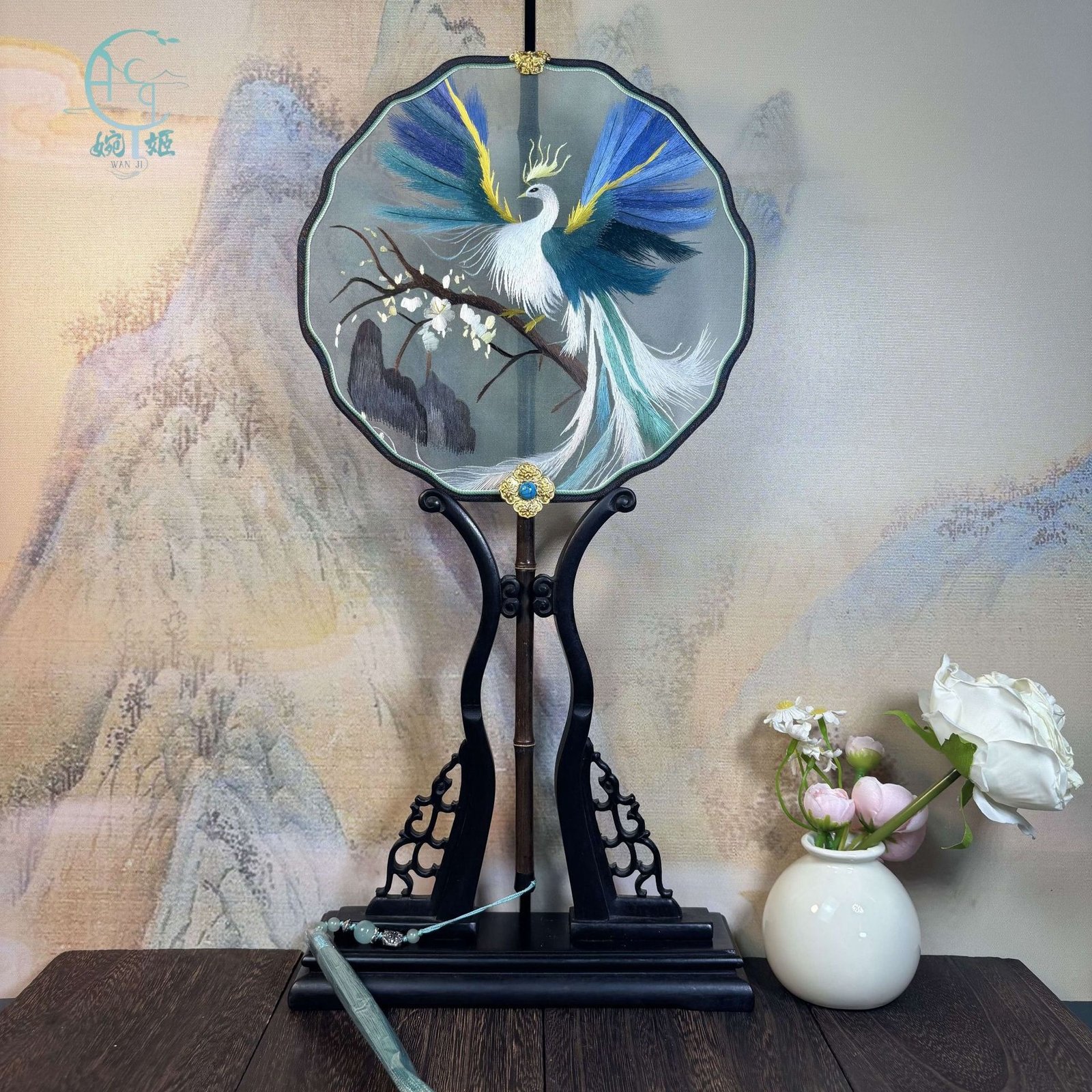
In the Qing Dynasty, Su Embroidery also formed many famous embroidery families, such as the Lu family, the Shen family and the Gu family. These embroidery families had their own unique craftsmanship and styles, and made important contributions to the development of Su Embroidery. For example, the Lu family was good at embroidering flowers and birds, and their works were “as vivid as real ones”; the Shen family was good at embroidering landscapes, and their works had “the artistic conception of literati paintings”. In addition, the Qing Dynasty Su Embroidery also made breakthroughs in the use of materials. In addition to silk and silk threads, it also used materials such as gold and silver threads, pearls, jade and feathers to increase the texture and luxury of the works. For example, the “Phoenix Embroidery Screen” collected in the Suzhou Museum was embroidered with gold threads and peacock feathers. The phoenix’s feathers were colorful and shining, which was a masterpiece of the Qing Dynasty Su Embroidery.
II. Unique Craftsmanship of Su Embroidery: The Art of “Needle and Thread Dancing”
The charm of Su Embroidery lies in its unique craftsmanship. It is a comprehensive art that integrates design, color matching, stitching and material selection. Every link requires the craftsman’s careful creation and long-term practice. The core of Su Embroidery’s craftsmanship is “delicacy” – the stitches are as fine as hair, the color matching is subtle, and the image is vivid. It is precisely this pursuit of perfection that makes Su Embroidery a treasure of Chinese traditional crafts.
1. Design: Integration of Painting and Embroidery, Implicitness and Elegance
The design of Su Embroidery is the first link and the soul of the work. Unlike other embroidery styles that pay attention to bold and bold patterns, Su Embroidery’s design advocates “implicitness and elegance”, which is deeply influenced by Chinese literati painting. Most of the themes of Su Embroidery are selected from natural scenery, literati’s elegant gatherings, historical stories and lucky patterns, which reflect the Chinese traditional aesthetic concept of “harmony between man and nature” and “blending emotion into scenery”.
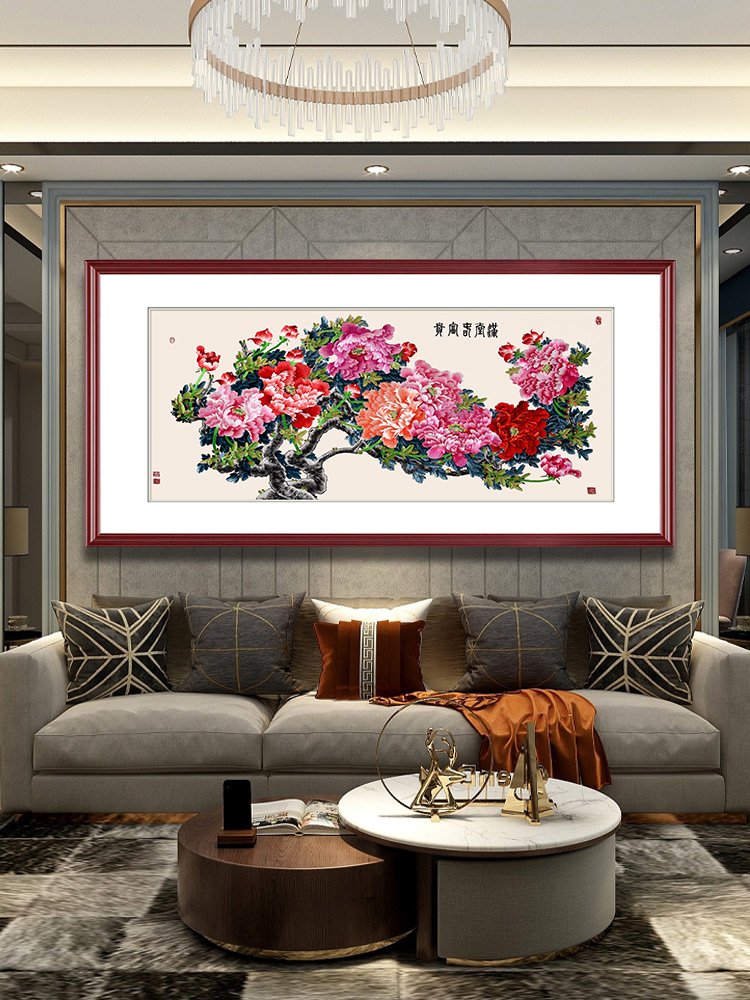
The design of Su Embroidery has two major characteristics: one is “learning from painting”, and the other is “paying attention to artistic conception”. “Learning from painting” means that many Su Embroidery works are designed based on the works of famous painters, and even directly copied from the paintings. The craftsmen will first copy the painting on the silk, and then use needles and threads to reproduce the strokes, colors and artistic conception of the painting. For example, the famous Su Embroidery work “Dwelling in the Fuchun Mountains” is a copy of the famous Yuan Dynasty painter Huang Gongwang’s landscape painting of the same name. The craftsmen used more than 20 kinds of stitches to reproduce the rolling mountains, winding rivers and misty clouds in the painting, which is almost the same as the original painting. “Paying attention to artistic conception” means that Su Embroidery does not pursue the realistic reproduction of the image, but pays attention to the expression of the inner emotion and artistic conception. For example, when embroidering plum blossoms, the craftsmen will use light stitches and cold colors to show the plum blossom’s “proud of frost and snow” character; when embroidering peonies, they will use thick stitches and bright colors to show the peony’s “rich and noble” temperament.
In addition to learning from paintings, Su Embroidery’s design also absorbs the nutrition of other traditional arts, such as calligraphy, seal cutting and paper-cutting. For example, some Su Embroidery works will embroider calligraphy on the silk, using the flexibility of the thread to show the strength and beauty of the calligraphy strokes; some works will integrate seal cutting patterns into the embroidery, increasing the cultural connotation of the work. At the same time, Su Embroidery’s design also pays attention to the combination of practicality and aesthetics. For example, embroidered screens, embroidered fans, embroidered pillows and other works not only have artistic value, but also have practical functions.
2. Material Selection: The Foundation of “Exquisiteness” – Silk and Silk Thread
The quality of Su Embroidery works is largely determined by the selection of materials. Su Embroidery has strict requirements on materials, and it is known as “selecting materials carefully, and only using the best”. The main materials of Su Embroidery are silk (the base material) and silk thread (the embroidery material), both of which are produced in the Suzhou area, which has a long history of sericulture and weaving.
The base material of Su Embroidery is mainly “soft silk” produced in Suzhou. This kind of silk is made of high-quality mulberry silk, which is soft, smooth, thin and tough. It has good luster and air permeability, and can well show the color and texture of the silk thread. The selection of soft silk is very strict. The craftsmen will select the silk with uniform thickness, no defects and pure color. For high-end Su Embroidery works, they will even use “thousand-year silk” (silk made of the finest mulberry silk), which is as thin as a cicada’s wing and as white as snow. The base material of some special Su Embroidery works is also made of other materials, such as satin, gauze and linen, but soft silk is still the first choice.
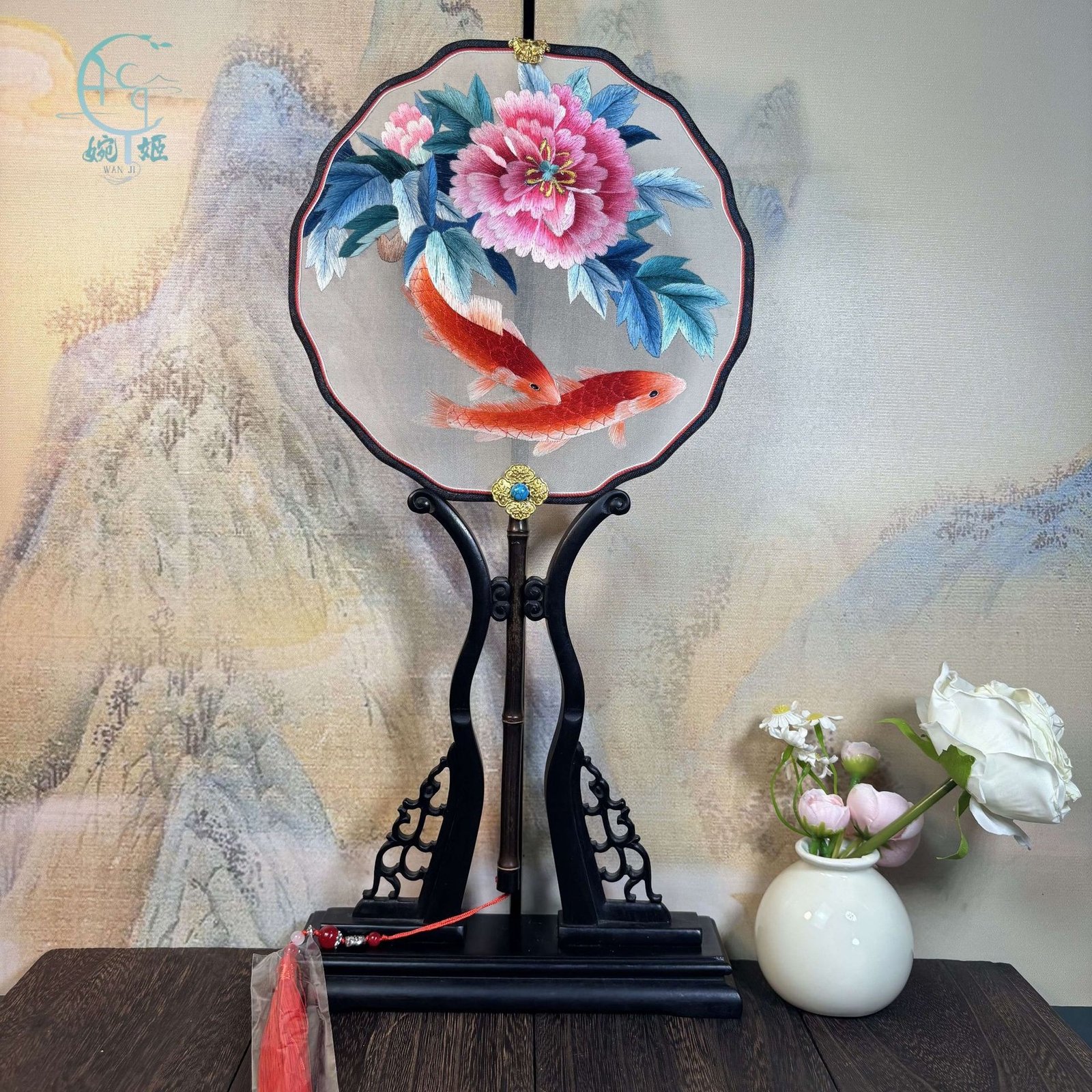
The embroidery material of Su Embroidery is “silk thread” made of mulberry silk. The silk thread is divided into different thicknesses according to the number of strands, from 1 strand to 12 strands. The thinner the silk thread, the more delicate the embroidery work. Su Embroidery is famous for using “thin thread embroidery”. For some high-end works, the craftsmen will split the 1-strand silk thread into 1/2, 1/4 or even 1/8 strand, and use the ultra-thin thread to embroider. For example, when embroidering the eyes of a bird or the lines of a human face, the craftsmen will use 1/8 strand of silk thread to ensure the delicacy of the image. The color of the silk thread is also very rich. There are more than 1,000 kinds of colors commonly used in Su Embroidery, including solid colors, gradient colors and mixed colors. The craftsmen will dye the silk thread according to the design requirements, and even use “tie-dyeing” and “gradient dyeing” techniques to make the color transition more natural.
In addition to silk and silk thread, Su Embroidery also uses some auxiliary materials to increase the artistic effect of the works, such as gold and silver threads, pearls, jade, feathers and shells. Gold and silver threads are used to embroider patterns that need to be highlighted, such as dragon scales, phoenix tails and decorative borders, which make the works more luxurious and dazzling. Pearls and jade are often inlaid on the key parts of the works, such as the eyes of animals and the centers of flowers, which make the works more three-dimensional and vivid. Feathers and shells are used to embroider special patterns, such as the feathers of birds and the patterns of seashells, which increase the texture of the works.
3. Stitching: The “Soul” of Su Embroidery – Diverse and Delicate Stitches
Stitching is the core technique of Su Embroidery, and it is also the key to distinguishing Su Embroidery from other embroidery styles. Su Embroidery has a wide variety of stitches, with more than 100 kinds of basic stitches and derivative stitches. These stitches are divided into different categories according to their functions and effects, such as flat stitches, three-dimensional stitches, decorative stitches and special stitches. Each stitch has its own unique characteristics and uses, and the craftsmen can use different combinations of stitches to show different textures and images.
The most representative stitches of Su Embroidery include the following types:
- Ping Stitch (Ping Zhen): It is the most basic and commonly used stitch in Su Embroidery. It is characterized by smooth and even stitches, which are arranged in parallel or diagonal lines. Ping Stitch is suitable for embroidering large areas of color, such as the background of landscapes, the petals of flowers and the clothing of figures. The key to Ping Stitch is to make the stitches of the same length and even density, so that the color transition is natural. In the Qing Dynasty, the craftsmen improved the Ping Stitch and created the “Fine Ping Stitch”, which uses ultra-thin silk thread to make the stitches as fine as hair, and the effect is as smooth as the surface of a mirror.
- Tao Stitch (Tao Zhen): Also known as “Overlapping Stitch”, it is a three-dimensional stitch unique to Su Embroidery. It is characterized by overlapping stitches layer by layer, forming a three-dimensional effect. Tao Stitch is suitable for embroidering flowers, fruits, animals and other objects that need to show a three-dimensional sense. For example, when embroidering peonies, the craftsmen will use Tao Stitch to embroider the petals layer by layer, making the petals look plump and lifelike; when embroidering grapes, they will use Tao Stitch to embroider the fruit particles, making the grapes look round and full. The key to Tao Stitch is to master the density and angle of the stitches, so that the three-dimensional effect is natural and not rigid.
- Lian Stitch (Lian Zhen): Also known as “Chain Stitch”, it is a flexible stitch that is characterized by connecting the stitches into a chain shape. Lian Stitch is suitable for embroidering the edges of patterns, such as the veins of leaves, the feathers of birds and the outlines of figures. It can also be used to embroider curly patterns, such as cloud patterns and wave patterns. The key to Lian Stitch is to make the chain links of the same size and tight connection, so that the pattern is smooth and vivid.
- Jie Stitch (Jie Zhen): Also known as “Segment Stitch”, it is a delicate stitch that is characterized by dividing the thread into small segments and embroidering them one by one. Jie Stitch is suitable for embroidering the details of the image, such as the eyes of animals, the expressions of figures and the texture of fabrics. For example, when embroidering a cat’s eye, the craftsmen will use Jie Stitch to embroider the pupils and irises, making the cat’s eyes look bright and vivid; when embroidering a person’s face, they will use Jie Stitch to embroider the wrinkles and expressions, making the face look realistic. The key to Jie Stitch is to control the length and density of the segments, so that the details are clear and natural.
- Dou Stitch (Dou Zhen): Also known as “Cross Stitch”, it is a decorative stitch that is characterized by forming a cross shape with two stitches. Dou Stitch is suitable for embroidering small patterns and decorative borders, such as the patterns on clothes, the edges of embroidered fans and the patterns on embroidered pillows. It can also be used to embroider geometric patterns and text. The key to Dou Stitch is to make the cross shape neat and uniform, so that the pattern is beautiful and generous.
The use of Su Embroidery’s stitches is not fixed. The craftsmen will choose and combine different stitches according to the theme and requirements of the work. For example, when embroidering a landscape painting, they will use Ping Stitch to embroider the background, Tao Stitch to embroider the mountains and stones, Lian Stitch to embroider the trees and grass, and Jie Stitch to embroider the small details such as birds and boats. This combination of stitches makes the work rich in layers and vivid in image. At the same time, the craftsmen also pay attention to the “rhythm” of the stitches. The speed, strength and angle of the needle insertion are all controlled by experience, so that the stitches are not only neat but also full of vitality.
4. Color Matching: The “Charm” of Su Embroidery – Subtle and Harmonious
Color matching is another important part of Su Embroidery’s craftsmanship. Su Embroidery’s color matching advocates “subtlety and harmony”, which is different from the bright and bold color matching of other embroidery styles. It pays attention to the natural transition of colors and the harmony of the overall tone, which reflects the Jiangnan water town’s gentle and elegant cultural temperament.
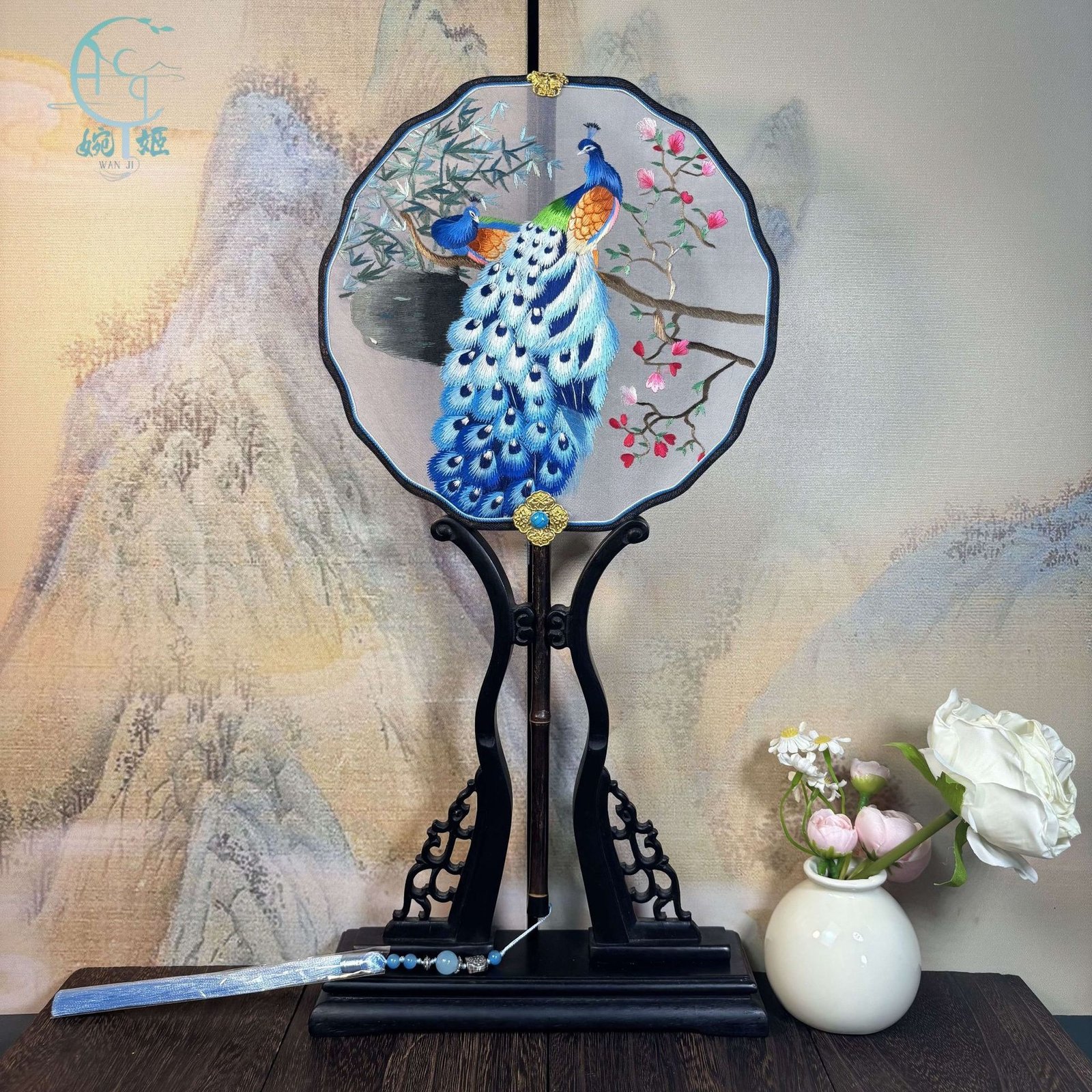
The color matching of Su Embroidery has three major principles: one is “following nature”, the other is “adapting to the theme”, and the third is “paying attention to transition”. “Following nature” means that the color matching of Su Embroidery is based on the natural colors of the object. For example, when embroidering a lotus, the craftsmen will use light pink for the petals, green for the leaves and yellow for the stamens, which are consistent with the natural colors of the lotus. “Adapting to the theme” means that the color matching of Su Embroidery is determined by the theme and artistic conception of the work. For example, when embroidering a winter landscape, the craftsmen will use cold colors such as white, light blue and gray to show the cold and quiet atmosphere; when embroidering a spring scene, they will use warm colors such as pink, green and yellow to show the lively and vibrant atmosphere. “Paying attention to transition” means that Su Embroidery’s color matching does not have obvious color boundaries, but uses gradient and mixing techniques to make the colors transition naturally. For example, when embroidering the petals of a peony, the craftsmen will use dark pink at the base of the petals, light pink in the middle and white at the edge, and use fine stitches to blend the colors together, making the petals look full of layers.
In addition to the three major principles, Su Embroidery’s color matching also pays attention to the use of “contrast” and “echo”. “Contrast” means that the craftsmen will use complementary colors to highlight the key parts of the work. For example, when embroidering a red plum blossom on a white background, the red of the plum blossom and the white of the background form a strong contrast, making the plum blossom stand out. “Echo” means that the colors of different parts of the work are mutually echoed to form a unified overall tone. For example, in a landscape embroidery work, the green of the trees, the blue of the water and the gray of the mountains echo each other, making the whole work harmonious and unified.
The color matching of Su Embroidery also requires the craftsmen to have a high aesthetic quality and rich experience. The craftsmen will adjust the color according to the light, the material of the base and the viewing distance. For example, works used for indoor decoration will use softer colors, while works used for outdoor display will use brighter colors; works viewed up close will use more delicate color transitions, while works viewed from a distance will use more obvious color contrasts.

III. Cultural Connotation of Su Embroidery: The Carrier of Chinese Traditional Culture
Su Embroidery is not just a craft, but a carrier of Chinese traditional culture. Every pattern, every color and every stitch in Su Embroidery contains the cultural codes and values of the Chinese nation. It reflects the Chinese people’s understanding of nature, respect for history, pursuit of good fortune and pursuit of aesthetic beauty. From the perspective of cultural connotation, Su Embroidery can be divided into three aspects: natural view, historical view and auspicious view.
1. Natural View: “Harmony Between Man and Nature” in Embroidery
The Chinese nation has always advocated the natural view of “harmony between man and nature”, which is fully reflected in Su Embroidery. Most of the themes of Su Embroidery are natural scenery, such as mountains, rivers, flowers, birds, fish and insects. The craftsmen do not simply reproduce the natural objects, but integrate their own feelings and understanding of nature into the works, showing the harmony between man and nature.
Flowers and birds are the most common themes in Su Embroidery, and each flower and bird has a unique cultural meaning. For example, plum blossom, orchid, bamboo and chrysanthemum are known as the “four gentlemen” in Chinese traditional culture, and they are the most frequently embroidered themes in Su Embroidery. Plum blossom is known for its “proud of frost and snow”, symbolizing integrity and perseverance; orchid is known for its “fragrance in the valley”, symbolizing elegance and modesty; bamboo is known for its “straight and tall”, symbolizing integrity and loyalty; chrysanthemum is known for its “blooming in autumn”, symbolizing longevity and nobility. The craftsmen of Su Embroidery use delicate stitches to show the characteristics of these flowers, and at the same time, they also express their respect for the “four gentlemen” spirit.
In addition to flowers and plants, birds are also important themes in Su Embroidery. For example, phoenix, crane, magpie and mandarin duck are all common bird patterns in Su Embroidery. Phoenix is the “king of birds” in Chinese traditional culture, symbolizing auspiciousness and prosperity; crane is known for its longevity, symbolizing longevity and health; magpie is known for its “happy call”, symbolizing good luck and happiness; mandarin duck is known for its “monogamy”, symbolizing loyalty and love between husband and wife. These bird patterns are often combined with flower patterns to form more meaningful patterns, such as “phoenix playing with peony” (symbolizing wealth and auspiciousness), “crane standing on pine” (symbolizing longevity), “magpie on plum branch” (symbolizing happy events) and “mandarin duck playing in water” (symbolizing happy marriage).
The natural view in Su Embroidery also reflects the Chinese people’s love for nature and their pursuit of a harmonious life. The craftsmen observe nature carefully, record the growth of flowers and the activities of birds, and then express them through needles and threads. This kind of “learning from nature” is not only a craftsmanship requirement, but also a cultural pursuit. It shows that the Chinese people regard nature as a friend and advocate living in harmony with nature.
2. Historical View: Recording History and Spreading Culture
Su Embroidery is also a “living history book” that records the historical development and cultural changes of the Chinese nation. Many Su Embroidery works take historical stories, historical figures and historical events as themes, which not only have artistic value, but also have historical and cultural value.
Historical stories are important themes in Su Embroidery. For example, the “Four Great Classical Novels” of China, such as “Romance of the Three Kingdoms”, “Water Margin”, “Journey to the West” and “Dream of the Red Chamber”, are all frequently used themes in Su Embroidery. The craftsmen use needles and threads to reproduce the classic plots and characters in the novels, making the historical stories more vivid and intuitive. For example, the Su Embroidery work “The Battle of Red Cliffs” (from “Romance of the Three Kingdoms”) reproduces the grand scene of the battle between the Eastern Wu and Shu armies against the Cao army. The craftsmen use different stitches to show the warships, soldiers and flames in the battle, which is shocking. This kind of work not only allows people to appreciate the beauty of embroidery, but also helps people understand the historical stories and cultural background behind it.
Historical figures are also important themes in Su Embroidery. For example, Confucius, Mencius, Qu Yuan, Li Bai, Du Fu and other famous historical figures are often embroidered in Su Embroidery works. These works not only show the appearance of historical figures, but also express the respect and memory of the ancestors. For example, the Su Embroidery work “Confucius Lecturing” shows Confucius lecturing to his disciples. The craftsmen use gentle stitches and elegant colors to show Confucius’ wise and kind image, and the disciples’ listening and thinking expressions are also vividly portrayed. This kind of work plays an important role in inheriting and promoting traditional culture.
In addition to historical stories and figures, Su Embroidery also records the social life and customs of different historical periods. For example, the Ming Dynasty Su Embroidery work “Urban Life of Suzhou” reproduces the prosperous scene of Suzhou’s urban life in the Ming Dynasty, including the bustling markets, the elegant gardens and the daily life of the people. The Qing Dynasty Su Embroidery work “Farmers’ Work Scenes” records the farming activities of the Jiangnan people in the Qing Dynasty, such as plowing, sowing, harvesting and threshing. These works are important materials for studying the social history and folk customs of the Chinese nation.
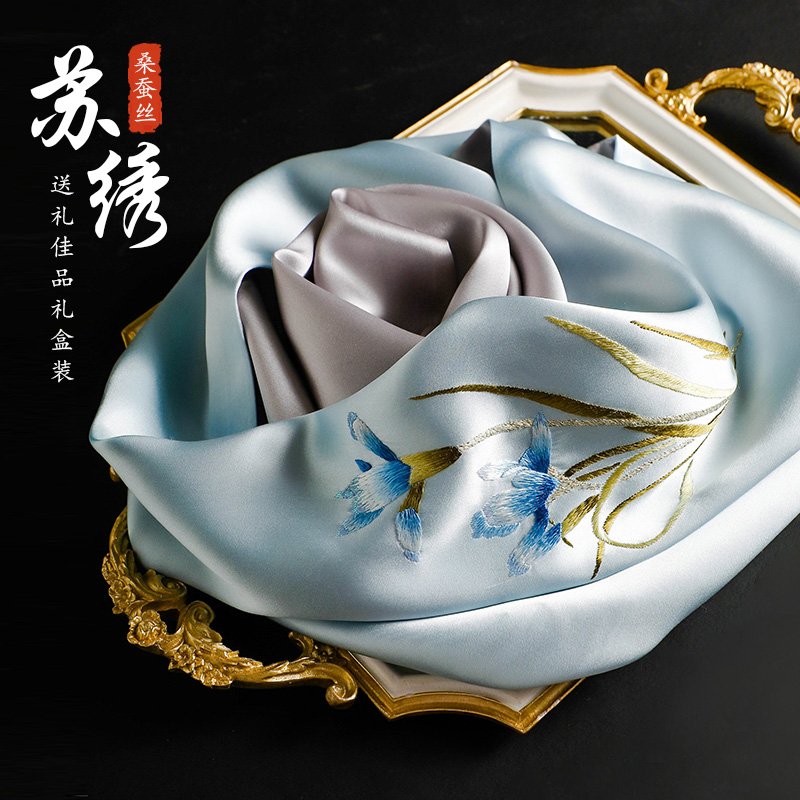
3. Auspicious View: Pursuit of Good Fortune and Happy Life
Auspicious view is an important part of Chinese traditional culture, and it is also fully reflected in Su Embroidery. Most of the patterns in Su Embroidery have auspicious meanings, which express the Chinese people’s pursuit of good fortune, health, wealth and happy marriage. These auspicious patterns are formed by combining natural objects, animals, plants and characters, and have rich cultural connotations.
The auspicious patterns in Su Embroidery can be divided into several categories according to their meanings: one is “blessing and longevity”, the other is “wealth and prosperity”, the third is “happy marriage and more children”, and the fourth is “auspicious and peaceful”. “Blessing and longevity” patterns are the most common, such as “crane standing on pine” (crane and pine both symbolize longevity), “peach and fairy” (peach symbolizes longevity, fairy symbolizes auspiciousness), “longevity lock” (shape symbolizes longevity). “Wealth and prosperity” patterns are also very common, such as “phoenix playing with peony” (peony symbolizes wealth, phoenix symbolizes auspiciousness), “golden toad spitting money” (golden toad symbolizes wealth), “fish jumping over the dragon’s gate” (symbolizes getting promoted and making a fortune). “Happy marriage and more children” patterns are mainly used for wedding supplies, such as “mandarin duck playing in water” (symbolizing happy marriage), “lotus and seedpod” (lotus symbolizes purity, seedpod symbolizes more children), “magpie on plum branch” (symbolizing happy events). “Auspicious and peaceful” patterns are mainly used for festival supplies, such as “dragon and phoenix presenting auspiciousness” (dragon and phoenix symbolize auspiciousness), “five blessings holding longevity” (five blessings symbolize blessing, luck, longevity, joy and wealth), “peace dove holding olive branch” (symbolizing peace).
The auspicious patterns in Su Embroidery not only have rich meanings, but also have unique expression techniques. The craftsmen use “homophonic” and “metaphorical” techniques to give the patterns auspicious meanings. For example, “fish” is homophonic with “surplus” in Chinese, so the fish pattern symbolizes “annual surplus”; “bat” is homophonic with “blessing” in Chinese, so the bat pattern symbolizes “blessing”; “pomegranate” has many seeds, so it metaphorically symbolizes “more children and more blessings”; “bamboo” has joints, so it metaphorically symbolizes “promotion step by step”. These expression techniques make the auspicious patterns in Su Embroidery more vivid and interesting, and also reflect the wisdom and humor of the Chinese people.
The auspicious view in Su Embroidery is not only a personal pursuit, but also a social consensus. It reflects the Chinese people’s positive attitude towards life and their good expectations for the future. In festivals, weddings, birthdays and other important occasions, Su Embroidery works with auspicious patterns are important gifts and decorations, which convey people’s blessings and good wishes.
IV. Representative Works of Su Embroidery: Masterpieces Interpreting Art and Culture
Throughout the history of Su Embroidery, countless masterpieces have been created. These works not only represent the highest level of Su Embroidery craftsmanship, but also embody the profound cultural connotation of Su Embroidery. From the court tributes of the Ming and Qing Dynasties to the modern artworks that have won international awards, each representative work has its own unique story and charm. The following will introduce several classic Su Embroidery works to show the artistic achievements of Su Embroidery.
1. “Dragon Robe Embroidery” (Ming Dynasty): A Masterpiece of Court Su Embroidery
“Dragon Robe Embroidery” is a representative work of the Ming Dynasty court Su Embroidery, which is now collected in the Forbidden City in Beijing. It is a dragon robe made for the Ming Dynasty emperor, with a total length of 1.5 meters and a width of 1.2 meters. The whole robe is embroidered with nine five-clawed golden dragons, which are arranged in different positions: one dragon on the chest, one dragon on the back, two dragons on the shoulders, two dragons on the front and back of the sleeves, and two dragons on the skirt. The dragons are embroidered with gold and silver threads, and the scales are layered with fine Tao Stitch. The dragon’s eyes are inlaid with pearls, and the dragon’s whiskers are made of peacock feathers. The background of the robe is embroidered with cloud patterns, wave patterns and mountain patterns, which are embroidered with light blue, light green and white silk threads. The overall color is luxurious and solemn, showing the imperial authority and dignity.
The craftsmanship of “Dragon Robe Embroidery” is extremely exquisite. It uses more than 20 kinds of stitches, including Ping Stitch, Tao Stitch, Lian Stitch and Jie Stitch. The golden dragons are embroidered with “Gold Thread Tao Stitch”, which makes the dragons look three-dimensional and vivid, as if they are flying in the clouds. The cloud patterns are embroidered with “Fine Ping Stitch”, which makes the clouds look soft and light. The wave patterns are embroidered with “Lian Stitch”, which makes the waves look rolling and lively. The mountain patterns are embroidered with “Jie Stitch”, which makes the mountains look steep and majestic. The production of this dragon robe took more than three years and was completed by more than 20 top embroidery craftsmen in Suzhou. It is a masterpiece of the Ming Dynasty court Su Embroidery, reflecting the high level of Su Embroidery craftsmanship at that time.
The cultural connotation of “Dragon Robe Embroidery” is also very rich. The nine five-clawed dragons on the robe symbolize the emperor’s supreme authority (in ancient China, nine was the number of the emperor, and five-clawed dragons were exclusive to the emperor). The cloud patterns symbolize “good luck from the sky”, the wave patterns symbolize “the prosperity of the country”, and the mountain patterns symbolize “the stability of the country”. These patterns together express the good wish of “the emperor’s authority is supreme, the country is prosperous and stable”.
2. “Cat” (Qing Dynasty): A Masterpiece of Folk Su Embroidery
“Cat” is a representative work of the Qing Dynasty folk Su Embroidery, which is now collected in the Suzhou Museum. It is a small embroidery painting with a size of 30 cm × 40 cm. The work depicts a white cat lying on a stone, looking at a butterfly flying in front of it. The cat’s fur is white, and the craftsman used ultra-thin silk thread and fine Ping Stitch to embroider the fur, making it look soft and fluffy. The cat’s eyes are embroidered with black and yellow silk threads, and the pupils are inlaid with small black beads, which look bright and vivid. The cat’s paws are embroidered with pink silk threads, and the pads are embroidered with light red silk threads, which are very realistic. The stone under the cat is embroidered with gray and brown silk threads, and the texture of the stone is shown with Tao Stitch. The butterfly is embroidered with red, yellow and blue silk threads, and the wings are embroidered with transparent silk thread, which looks light and beautiful.
The craftsmanship of “Cat” is characterized by “vividness”. The craftsman observed the cat’s posture and expression carefully, and used different stitches and colors to show the cat’s lively and cute image. For example, the cat’s fur is embroidered with “Fur Stitch” (a derivative of Ping Stitch), which makes the fur look natural and smooth; the cat’s eyes are embroidered with “Jie Stitch”, which makes the eyes look bright and expressive; the butterfly’s wings are embroidered with “Transparent Stitch” (a special stitch of Su Embroidery), which makes the wings look transparent and light. The most amazing thing is that the cat’s whiskers are made of a single strand of silk thread, which is inserted into the silk base with a needle and is not fixed at the other end. When the wind blows, the whiskers will shake slightly, making the cat look more lifelike.
The cultural connotation of “Cat” reflects the folk people’s love for life. In the Qing Dynasty, cats were common pets of the people, and the theme of “cat and butterfly” was also a common auspicious pattern (in Chinese, “cat” is homophonic with “elderly”, and “butterfly” is homophonic with “die”, so “cat and butterfly” symbolizes “longevity of the elderly”). This work not only shows the craftsmanship of folk Su Embroidery, but also expresses the folk people’s good wish for longevity.
3. “Dwelling in the Fuchun Mountains” (Modern): A Masterpiece of Integrating Painting and Embroidery
“Dwelling in the Fuchun Mountains” is a modern Su Embroidery masterpiece created by the famous Su Embroidery artist Shen Aiqin in 2005. It is a copy of the famous Yuan Dynasty painter Huang Gongwang’s landscape painting of the same name, with a length of 6 meters and a height of 0.3 meters. The work reproduces the grand landscape of the Fuchun River in Zhejiang Province, including rolling mountains, winding rivers, dense forests and simple villages. The craftsman used more than 40 kinds of stitches and more than 200 kinds of colors to show the rich layers and profound artistic conception of the original painting. The mountains are embroidered with thick Tao Stitch, and the colors are from dark green to light green, showing the undulating mountains; the rivers are embroidered with light Ping Stitch, and the colors are from light blue to white, showing the clear water; the forests are embroidered with dense Lian Stitch, and the colors are from dark green to yellow, showing the lush trees; the villages are embroidered with fine Jie Stitch, and the colors are from gray to brown, showing the simple and quiet villages.
The craftsmanship of “Dwelling in the Fuchun Mountains” represents the highest level of modern Su Embroidery. The craftsman not only copied the original painting’s image, but also reproduced the original painting’s artistic conception. For example, the misty clouds in the original painting are embroidered with “Smoke Stitch” (a new stitch created by modern Su Embroidery artists), which uses ultra-thin transparent silk thread to make the clouds look misty and ethereal. The sun in the distance is embroidered with gold thread, which makes the sun look warm and bright. The whole work is integrated, and it is difficult to distinguish between embroidery and painting. This work won the gold medal at the 2006 World Handicraft Expo, making Su Embroidery once again attract the attention of the world.
The cultural connotation of “Dwelling in the Fuchun Mountains” reflects the modern inheritance and innovation of Su Embroidery. It not only inherits the traditional craftsmanship of Su Embroidery, but also absorbs the techniques of modern painting and design. It shows that Su Embroidery is not a rigid traditional craft, but an art form that keeps pace with the times. At the same time, this work also promotes the Chinese traditional landscape painting culture to the world, making more people understand the charm of Chinese traditional art.

V. Modern Inheritance and Development of Su Embroidery: From Tradition to Innovation
In the context of modernization and globalization, Su Embroidery, as a traditional craft, is facing both challenges and opportunities. The impact of modern industrial products has made the traditional Su Embroidery market shrink, and the lack of inheritors has made some ancient craftsmanships on the verge of being lost. However, with the attention of the government and society, and the efforts of Su Embroidery artists, Su Embroidery has achieved new development in inheritance and innovation. It has not only become a national intangible cultural heritage, but also a business card for Chinese culture to go to the world.
1. Inheritance: Protecting Intangible Cultural Heritage and Cultivating Inheritors
In 2006, Su Embroidery was included in the first batch of national intangible cultural heritage representative projects, which provided important policy support for the inheritance and protection of Su Embroidery. The Suzhou municipal government has taken a series of measures to protect Su Embroidery: first, establishing Su Embroidery museums and inheritance bases to collect and display Su Embroidery relics and promote Su Embroidery culture. For example, the Suzhou Su Embroidery Museum, established in 1986, is the first professional Su Embroidery museum in China, collecting more than 10,000 Su Embroidery works and relics from different periods. Second, supporting Su Embroidery artists and inheritors, providing them with funding and platforms to carry out creation and inheritance activities. For example, the government has set up the “Su Embroidery Art Award” to reward outstanding Su Embroidery works and artists. Third, carrying out Su Embroidery education and training to cultivate new inheritors. For example, many primary and secondary schools in Suzhou have set up Su Embroidery interest classes, and some colleges and universities (such as Suzhou University) have set up Su Embroidery majors to systematically train Su Embroidery talents.
In addition to government support, many Su Embroidery artists have also made important contributions to the inheritance of Su Embroidery. They have spent a lifetime studying Su Embroidery craftsmanship and passed on their skills to the next generation. For example, Shen Aiqin, a national-level intangible cultural heritage inheritor, has been engaged in Su Embroidery creation for more than 60 years. She has trained more than 100 Su Embroidery inheritors and sorted out more than 20 ancient stitches that were on the verge of being lost. Another example is Lu Meihua, a provincial-level intangible cultural heritage inheritor, who has integrated the techniques of Su Embroidery and modern design and created a series of new Su Embroidery works, which are loved by young people.
2. Innovation: Integrating Modern Elements and Expanding Application Fields
Innovation is the key to the survival and development of Su Embroidery. In recent years, Su Embroidery artists have carried out a series of innovations in theme, craftsmanship and application fields, making Su Embroidery more in line with the aesthetic and living needs of modern people.
In terms of theme innovation, Su Embroidery artists have expanded the themes of Su Embroidery from traditional natural scenery and historical stories to modern themes, such as urban landscapes, abstract art and international cultural elements. For example, some Su Embroidery works take the modern urban landscape of Suzhou (such as the金鸡湖 skyline) as the theme, showing the integration of traditional and modern culture; some works take abstract paintings as the theme, using bold color matching and innovative stitches to show the charm of abstract art; some works take international cultural elements (such as the Eiffel Tower, the Statue of Liberty) as the theme, promoting Su Embroidery culture to the world.
In terms of craftsmanship innovation, Su Embroidery artists have created a series of new stitches on the basis of inheriting traditional stitches, such as “Smoke Stitch”, “Gradient Stitch” and “Three-Dimensional Stitch”. These new stitches make Su Embroidery more expressive. For example, “Smoke Stitch” can show the misty and ethereal effect of clouds and fog; “Gradient Stitch” can make the color transition more natural and smooth; “Three-Dimensional Stitch” can make the image more three-dimensional and vivid. At the same time, Su Embroidery artists have also integrated modern technology into Su Embroidery creation, such as using computer design to make the pattern more accurate and using new materials (such as synthetic silk thread) to improve the durability of the works.
In terms of application field innovation, Su Embroidery has expanded from traditional artworks and daily necessities to modern fields such as clothing, home decoration, cultural and creative products and public art. For example, some fashion brands have cooperated with Su Embroidery artists to launch Su Embroidery clothing, which combines the delicacy of Su Embroidery with the fashion of modern clothing; some home decoration companies have launched Su Embroidery decorative products, such as Su Embroidery wall hangings, Su Embroidery cushions and Su Embroidery curtains, which are deeply loved by consumers; some cultural and creative companies have launched Su Embroidery cultural and creative products, such as Su Embroidery bookmarks, Su Embroidery postcards and Su Embroidery ornaments, which are popular among young people; some public art projects have used Su Embroidery as the main material, such as the Su Embroidery mural in the Suzhou Railway Station, which has become a landmark of the city.
3. Globalization: Going to the World and Becoming a Cultural Business Card
With the development of globalization, Su Embroidery has gradually gone to the world and become an important business card for Chinese culture. Su Embroidery works have been exhibited in many countries and regions, such as the United States, France, Japan, South Korea and Singapore, and have won wide praise. For example, in 2010, the Su Embroidery work “Peony and Phoenix” was displayed at the Shanghai World Expo, attracting more than 1 million visitors; in 2018, the Su Embroidery exhibition “The Art of Jiangnan” was held in the Louvre in France